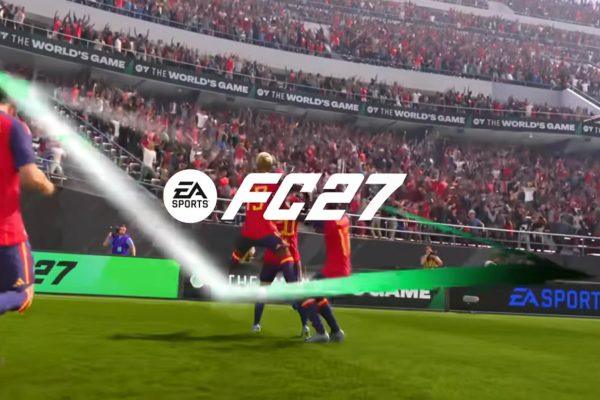
On September 18, EA FC 27 opens its early access doors, and for many who grew up with the FIFA franchise, the pitch feels different. The game that once defined couch competitions and late-night league runs across México, Argentina, and the broader diaspora has morphed into a live-service beast. The shift is not just cosmetic—it's philosophical, and it's leaving a generation of players questioning what they've signed up for.
Ultimate Team's monetization: a new reality
Ultimate Team, once a mode that balanced skill and squad-building charm, has become the financial engine of the entire franchise. The revenue from card packs and microtransactions is staggering, and that success makes it nearly impossible for Electronic Arts to pivot back to the old days of earning top players through sheer gameplay. For veterans in Buenos Aires, Bogotá, or Los Angeles, the message is clear: the classic FIFA experience is a relic, replaced by a fast-paced, purchase-driven environment where seasonal content drops dictate the rhythm.
This isn't just about nostalgia. The grind that once rewarded dedication—unlocking a legendary striker after weeks of matches—has been replaced by a system that nudges wallets open. As one community member put it on social media, "It's not about football anymore; it's about the pack opening." The balance that initially charmed millions has tipped, and the studio's bottom line ensures it won't tip back.
The Grounds: a new hub with old fears
To diversify beyond Ultimate Team, EA FC 27 introduces The Grounds, an online social hub designed for multiplayer engagement. It's a fresh attempt to create a communal space, but skepticism runs deep. Many remember VOLTA, the street football mode that promised so much and faded into an afterthought. The question is whether The Grounds can avoid that fate.
For The Grounds to succeed, it needs more than a pretty interface. It requires polished mechanics and meaningful rewards—think opportunities to face esports pros or earn real-world match incentives. Without that, it risks becoming another ghost town in the digital stadium. The premium editions' high price tags only raise the stakes, and players in the Latino community, who have long been passionate about football culture, are watching closely.
Can the franchise balance profit and passion?
The reception of EA FC 27 will hinge on whether developers can strike a balance between aggressive monetization and authentic football gameplay. Consistent content updates, engaging online events, and refined mechanics are critical to proving the franchise still values its core base. As the game evolves, it must also honor the diverse football identities that make the sport global—from the trailblazing efforts of athletes like Romina Hinojosa to the grassroots passion seen in Leagues Cup matches across North America.
Electronic Arts faces a delicate dance: preserving the competitive spirit of digital football while expanding its modern ecosystem. For longtime fans, the hope is that the game doesn't lose its soul in the pursuit of profit. The early access launch is a test, and the community's response will shape the franchise's next decade.
As the digital and real worlds of football continue to blur, one thing is certain: the beautiful game, in all its forms, remains a unifying force. Whether on a console in Guadalajara or a phone in New York, the love for the sport endures. The challenge for EA is to ensure that love isn't buried under a mountain of microtransactions.