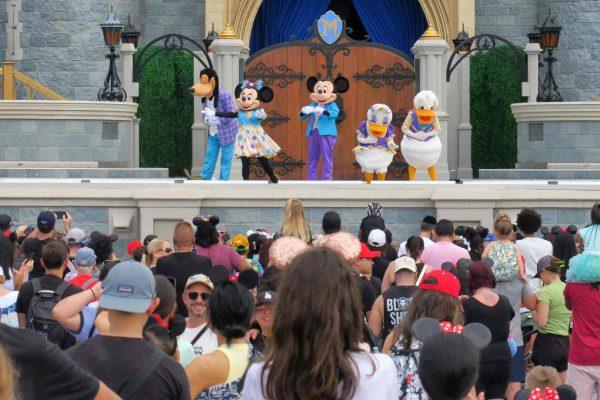
For many Latino families across the United States and Latin America, a trip to Walt Disney World in Orlando has long been a cherished rite of passage—a place where grandparents, parents, and children create memories that span generations. But that tradition is getting more expensive. The Walt Disney Company has confirmed that by 2027, a single-day ticket during peak periods like President's Day weekend will cost $219, a historic high that pushes the dream of a Disney vacation further out of reach for many middle-class households.
This isn't just a simple price hike. It's part of a broader strategy called dynamic pricing, where ticket costs fluctuate based on predicted attendance. Magic Kingdom, the most popular park, will command the highest prices, while Animal Kingdom remains the most affordable option. The goal is to manage record demand—over 17 million visitors pass through Magic Kingdom's gates each year—by encouraging guests to visit on less crowded days. To sweeten the deal, Disney offers incentives like 30% hotel discounts and free dining plans for children on slower dates.
What This Means for Latino Travelers
For families from México, Colombia, or the diaspora in cities like Los Angeles, Houston, or Chicago, planning a Disney trip already requires significant savings. With annual passes reaching $1,899 and daily tickets nearing $220, the experience is becoming a long-term financial goal rather than a spontaneous getaway. The shift toward premium services adds another layer. The old Fastpass system, once free, has been replaced by Lightning Lanes, which require an extra payment to skip lines. For those who want the fastest access, the Premier Pass can cost up to $500 per person—on top of the ticket price. That turns speed into a luxury item, something many families will have to weigh carefully.
Disney's response to criticism has been to point to its massive $30 billion investment plan, which includes the transformation of Animal Kingdom's DinoLand USA into a new area called Tropical Americas. This zone will feature attractions inspired by Encanto and Indiana Jones, aiming to connect with audiences who grew up with these stories. For Latino visitors, Encanto holds special resonance—it's a film that celebrates Colombian culture, family bonds, and the magic of everyday life. Yet the closure of the dinosaur-themed area has sparked nostalgia among longtime fans, many of whom remember it as a childhood favorite.
Despite complaints on social media platforms like Reddit, where users say they'll postpone visits due to rising costs, Disney's economic impact remains enormous. The company generates $66.9 billion annually in the United States and supports over 263,000 jobs in Florida alone. Visitor loyalty, it seems, is tested but not broken. The magic still sells.
For Latino families, the question becomes one of balance: how to preserve the tradition of a Disney vacation while navigating a landscape where financial planning is as crucial as the itinerary itself. As the company continues to segment benefits and charge for individual services, the experience evolves into something more exclusive—and more expensive. Whether that's sustainable for the middle class remains to be seen.
In the meantime, families might consider other ways to create magical moments closer to home. From the vibrant music scenes of Karol G's Tropitour to the storytelling of Rosalía's latest video, Latino culture offers its own forms of enchantment. And for those who still dream of Orlando, the advice is simple: start saving early, and keep an eye on those dynamic prices.