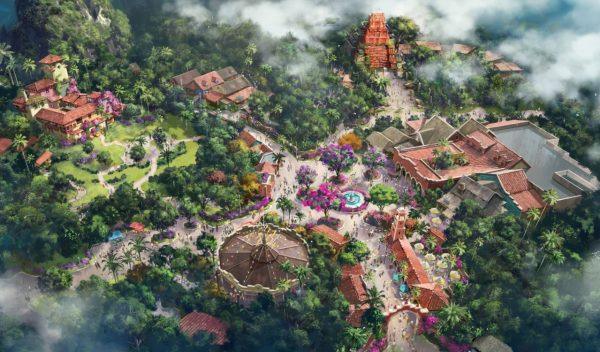
Disney's Animal Kingdom is undergoing its most ambitious transformation in decades, and the company is leaving no stone unturned—literally. The new themed land, Tropical Americas, set to open in 2027, will center on Pueblo Esperanza, a fictional town that draws from the real architectural and cultural fabric of Latin America. To achieve this, Disney Imagineers embarked on anthropological expeditions across Central America and Colombia, studying everything from ancient stone carvings to the way tropical light hits a hacienda facade.
From Copán to Orlando: Maya Craftsmanship Meets Disney Magic
In Honduras, the team focused on the archaeological site of Copán, one of the best-preserved Maya cities in the region. They didn't just take photographs. Imagineers secured strategic alliances to transport red and green stones from ancient quarries directly to Orlando. Local sculptors who still practice traditional carving methods will participate in building temples and plazas within the park. This approach revives early sketches from 1998, when Disney first envisioned a pre-Hispanic sanctuary immersed in jungle vegetation.
The attention to detail extends beyond aesthetics. The design team studied the structural integrity of Maya buildings, understanding how they withstood centuries of tropical weather. This knowledge will inform the construction of Pueblo Esperanza, ensuring that the new land feels both ancient and enduring.
Colombia's Magic Realism Comes to Life
The second pillar of research took place in Colombia, where Imagineers traced the landscapes that inspired the animated film Encanto. Pueblo Esperanza will house the world's first interactive attraction based on the movie, where visitors participate in Antonio's gift ceremony and communicate with local fauna. The experience emphasizes biodiversity, a core theme of the film and the park.
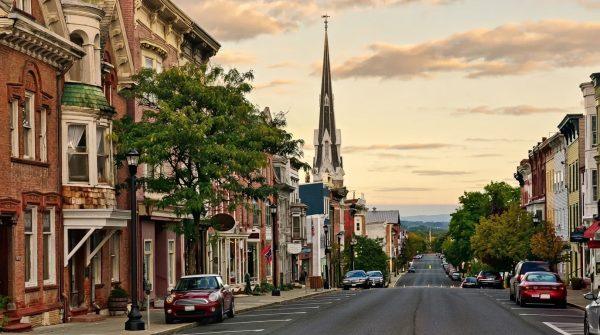
But the Colombian influence doesn't stop there. The design team meticulously evaluated how tropical light interacts with hacienda facades, the durability of materials under constant humidity, and the layout of public plazas. The goal is to make visitors feel the thermal and visual sensation of a real Latin American town. This commitment to authenticity extends to the Indiana Jones attraction, which will complement the area with archaeological mysticism.
Disney's approach reflects a broader trend in entertainment: a move toward cultural specificity. As Selena Gomez's Hollywood evolution shows, Latin artists are increasingly shaping mainstream narratives. Similarly, Karol G's Tropitour demonstrates the global appetite for Latin music and culture. Disney's Tropical Americas taps into this momentum, offering a space where Latin American heritage is not just represented but celebrated with rigor.
The project also raises questions about cultural representation in theme parks. By hiring local artisans and using traditional techniques, Disney is setting a new standard for authenticity. However, the company must navigate the fine line between homage and appropriation. The involvement of Honduran and Colombian craftsmen suggests a collaborative effort, but the final product will be judged by the communities it seeks to honor.
As construction progresses, Disney is also addressing logistical challenges. The park's transformation requires closing existing attractions and rerouting foot traffic. Disneyland closures in summer 2026 offer a preview of the operational shifts needed for such large-scale projects. Meanwhile, the integration of new technology, like facial recognition for entry, sparks privacy debates that could affect visitor experience.
Ultimately, Tropical Americas represents a bet on the power of place. By grounding fantasy in reality, Disney hopes to create a land that resonates with bicultural Latinos and global audiences alike. The success of Pueblo Esperanza will depend on whether it captures the soul of the towns it emulates—not just their architecture, but their spirit.