In a landscape where iconic natural destinations often grapple with overcrowding, one park has distinguished itself by offering the opposite: profound space and quiet. Death Valley National Park, the vast desert expanse straddling the California-Nevada border, has been named the top national park in the United States for 2026. This recognition, stemming from a comprehensive analysis by travel platform HomeToGo, highlights the park's winning combination of accessibility, manageable tourism, and exceptional value, setting a new benchmark for what travelers seek in a premier outdoor experience.
A Sanctuary of Scale and Affordability
What truly sets Death Valley apart is its sheer immensity. Spanning over 3 million acres, the park's scale is its greatest asset, naturally dispersing visitors and guaranteeing a sense of solitude rarely found in more famous parks. This freedom of movement is paired with a surprising economic advantage. While costs have surged elsewhere, Death Valley maintains an average lodging cost of just $40.86 per person per night, as noted by Secret Los Angeles. This financial accessibility allows travelers to invest more deeply in their exploration, whether that means an extended stay or allocating funds for guided tours of its otherworldly landscapes.
This balance of economy and experience resonates with many in our community who are strategically planning for meaningful life chapters, seeking destinations that offer richness without extravagance. The park's model demonstrates that world-class natural wonders need not come with a prohibitive price tag.
An Extreme Ecosystem of Surprising Life
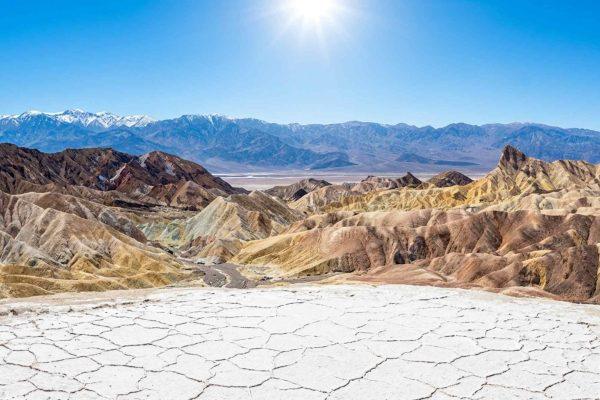
Defying its reputation as a barren wasteland, Death Valley is a study in resilient biodiversity and stark contrasts. From the salt-crusted expanse of Badwater Basin—the lowest point in North America—to the panoramic vistas from the 9,064-foot summit of Wildrose Peak, the park is a living geology lesson. Trails like the Salt Creek Interpretive Trail reveal a carefully adapted ecosystem where pupfish thrive in hyper-saline water, challenging every assumption about life in the desert.
The extremes continue after dark. Recognized as one of the best places in the country for stargazing due to its minimal light pollution, the park transforms into an astronomical theater. Viewpoints like Dante's View offer a truly breathtaking connection to the cosmos, with the Milky Way often visible in vivid detail, reminding visitors of the profound beauty found in the continent's quietest corners.
A Landscape Steeped in Culture and Cinema
Death Valley's cultural pull extends far beyond its geological wonders. Its surreal, almost Martian terrain has made it a favorite backdrop for filmmakers, most famously serving as the planet Tatooine in the original Star Wars trilogy. This cinematic heritage adds a layer of pilgrimage for fans, allowing them to walk the same sands that once hosted galactic adventures. It's a reminder of how landscapes can fuel imagination, much like the creative worlds built by artists from Rosalía to Lola Índigo.
This recognition for Death Valley arrives as travel trends evolve. Visitors are increasingly prioritizing destinations that offer authentic, crowd-free immersion over simply checking famous sites off a list. The park's top ranking for 2026 signals a shift towards valuing preservation, personal experience, and thoughtful management—a lesson for tourist sites everywhere, from the beaches of Cancún to the peaks of the Andes.
For the bicultural Latino traveler, Death Valley represents a unique opportunity within the US. It is a place of deep quiet and reflection, distinct from the vibrant, communal energy found in many Latin American landscapes. It offers a different kind of journey, one of introspection amidst some of the planet's most formidable and beautiful terrain. As the park prepares for its spotlight year in 2026, it stands not just as a destination, but as a testament to the enduring power of wild, open space.