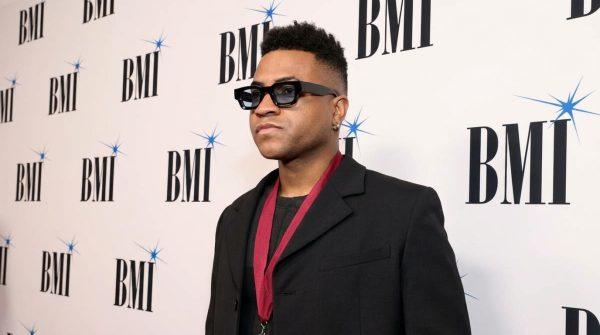
For David Archuleta, the path to self-discovery has been a journey through competing worlds: the spotlight of global fame, the devout expectations of his Mormon faith, and the quiet truth of his queer identity. In a candid new episode of Latino Alternative Storytellers, the Honduran-American singer offers a vulnerable look at how these forces shaped his life and art.
From Miami to Utah: A Cultural Crossroads
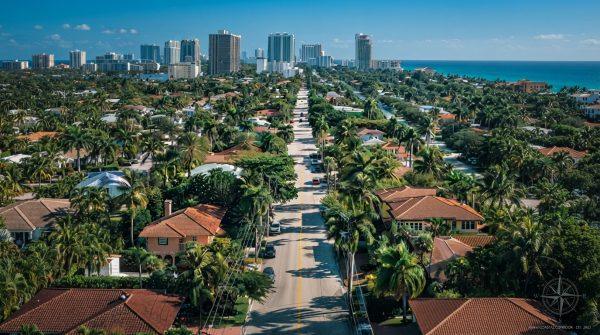
Archuleta's story begins with a cultural duality. Born in Miami to an American father and a Honduran mother, his early years were infused with Latin rhythms and warmth. That changed when his family relocated to Utah, trading Miami's vibrant diversity for a predominantly white, Mormon community. "We became one of the only Latino families surrounded by white people," Archuleta recalls.
His mother, however, refused to hide their heritage. "[She would] bring a bit of that Latin flair to church talent shows and activities," he says with evident pride. "Getting everybody up, singing Gloria Estefan, singing the conga." This unapologetic celebration of culture left a lasting mark, teaching Archuleta to carry his identity with confidence—a lesson that would prove crucial later in life.
The American Idol Whirlwind
Everything shifted dramatically when Archuleta auditioned for American Idol. Almost overnight, the high school junior found himself performing for millions, sharing stages with artists like Katy Perry and Lady Gaga, and navigating a new reality that required bodyguards for simple errands. Coming of age under such intense scrutiny made exploring his personal identity nearly impossible. "Your self-image is reflected by billboards," he notes, describing the surreal pressure of public perception.
Compounding this external gaze were internal expectations. As a devoted Mormon, Archuleta felt pressure to follow a prescribed path: marriage to a woman and building a family. For years, he kept his queer identity secret, attempting to reconcile his faith with feelings he couldn't suppress. This internal conflict mirrors the journeys of many artists navigating personal truth within structured communities, much like Rosalía, who has also carved her own creative and personal path in the public eye.
The Breaking Point and a Mother's Reaction
After a decade of silence, Archuleta reached a crisis point. "I got to a point where I almost took my life," he reveals, "because I believed [the traditional path] and didn't think there was any other way of happiness for me." His faith ultimately became his guide to honesty. If God represented truth, he reasoned, then living authentically was the only faithful choice.
He began dating men and chose to tell his mother first. Her response was heartbreakingly complex. "Honey, I love you," she told him, "but I love God more and I can't accept this about you. I testify to you that God's plan for you is to marry a woman and to have a family."
Archuleta's reply was firm yet compassionate. "Mom, up until a week ago, I believed all of this," he responded. "I prayed. This was the answer I got. I know that you don't agree with that, and I don't need you to accept my decision. I just need you to respect that I'm making the best decision for me right now." This moment of courageous boundary-setting highlights a difficult but necessary conversation happening in many Latino families, where tradition and personal truth sometimes collide.
Embracing a Queer, Creative Future
Today, David Archuleta describes himself as entering a new, queer era. His life, friendships, and music now reflect his authentic self. "For the first time, I'm living my life the way that feels natural—and writing about it," he says. This creative liberation allows him to explore his artistry without filters, joining other Latino creators who are building spaces for authentic storytelling, similar to David Bianchi's work in amplifying Afro-Latino narratives.
Reflecting on his journey, Archuleta now sees his queerness as a source of strength and originality. He offers encouragement to young people struggling with their identities: "Don't be afraid of the things that make you different. In time, it may become your strength." His story is a powerful testament to the freedom found in self-acceptance, particularly within communities where cultural and religious expectations run deep.
Archuleta's experience underscores a broader narrative about identity in the Latino diaspora—where heritage, faith, and personal truth intersect in uniquely complex ways. His willingness to share this journey publicly adds an important voice to conversations about mental health, authenticity, and belonging.
Watch the full, revealing interview on Latino Alternative Storytellers.