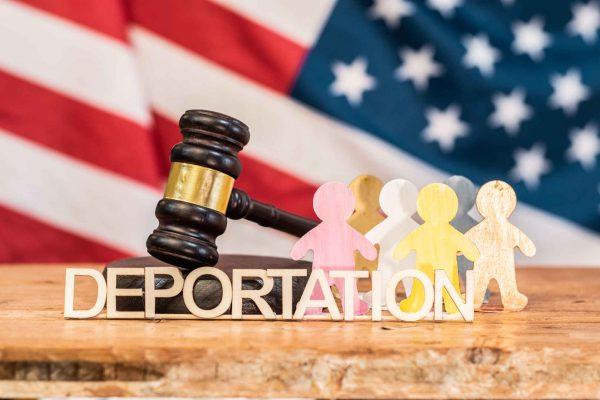
For Cuban immigrants in the United States, the dream of building a life in Florida has turned into a nightmare of uncertainty. Recent deportations by U.S. Immigration and Customs Enforcement (ICE) have sent dozens of Cuban nationals to African countries, thousands of miles from their Caribbean homeland, under a policy that many human rights groups are calling inhumane and legally dubious.
The so-called "third-country" strategy, implemented by the current administration, has been used to remove Cubans who arrived without proper documentation. But instead of returning them to Cuba—a nation with which the U.S. has limited repatriation agreements—ICE has been flying them to nations in Africa, leaving deportees stranded in unfamiliar territories with no clear path forward.
A harrowing journey into the unknown
Yasmany Moreno, a 32-year-old construction worker who regularly commuted between Tampa and Miami, experienced this policy firsthand. After spending more than a year in U.S. detention centers, Moreno was told he was being transferred to another facility. But on the morning of July 30, ICE agents placed him on a plane in Texas. Five hours into the flight, he learned his true destination: Africa.
"They didn't tell me anything until we were over the ocean," Moreno later recounted to advocates. "I thought I was being moved to another state. I never imagined they would send me to a continent I know nothing about."
Moreno's case is not isolated. Multiple reports from immigration attorneys and community organizations describe similar scenarios, where Cuban nationals are removed from the U.S. without prior notice, their families left in the dark about their whereabouts or the legal basis for their deportation.
Families in Florida left in anguish
In cities like Tampa, Miami, and Hialeah, Cuban-American communities are watching with growing alarm. Many of those affected had been living under Temporary Protected Status (TPS) or had pending asylum claims. For them, deportation to Africa means losing everything they built—homes, jobs, and the proximity to family that made the struggle worthwhile.
"This is not just a legal issue; it's a humanitarian crisis," said María Fernanda Rodríguez, an immigration attorney in Miami who has represented several deportees. "These individuals are being sent to countries where they have no ties, no language skills, and no support network. It's a death sentence for their hopes and dreams."
The lack of transparency from ICE has only deepened the distress. Families report that they often learn about a loved one's deportation only after the fact, through social media or a phone call from a stranger. The agency has not publicly disclosed the full list of African nations receiving deportees, nor the criteria used to select them.
Legal and ethical questions mount
Immigration advocates argue that the third-country policy violates both U.S. immigration law and international human rights standards. Under U.S. law, deportees must be sent to their country of origin or a country that agrees to accept them. Sending Cubans to Africa, where they have no prior connection, raises serious legal questions.
"This is a deliberate attempt to make deportation so punishing that people will stop coming," said Carlos López, a policy analyst with the Cuban American Bar Association. "But it's cruel and unusual, and it's not solving anything."
The Cuban government has also criticized the policy, calling it a violation of bilateral agreements. However, with no direct flights between the U.S. and Cuba for deportations, the administration has turned to third countries as a workaround.
A dark precedent for the Latino community
While the policy currently targets Cubans, many see it as a warning for all Latino immigrants. If the U.S. can send Cubans to Africa, what stops it from deporting Mexicans to Central America or Salvadorans to the Caribbean? The precedent is alarming, and it has galvanized community organizations across the country.
Protests have been held outside ICE offices in Miami and Los Angeles, and a coalition of civil rights groups has filed lawsuits challenging the policy. They demand that ICE provide clear information about each deportation, allow deportees to contact legal counsel, and stop the practice altogether until a fair review is conducted.
For now, the fate of Yasmany Moreno and others like him remains uncertain. They are in Africa, far from the familiar rhythms of Cuban music, the warmth of family gatherings, and the promise of a new life in the United States. Their stories are a stark reminder of the human cost of immigration policies that prioritize deterrence over dignity.
As the debate continues, one thing is clear: the Cuban community in Florida and beyond will not remain silent. They are organizing, advocating, and demanding that their voices be heard. The fight for justice is far from over.