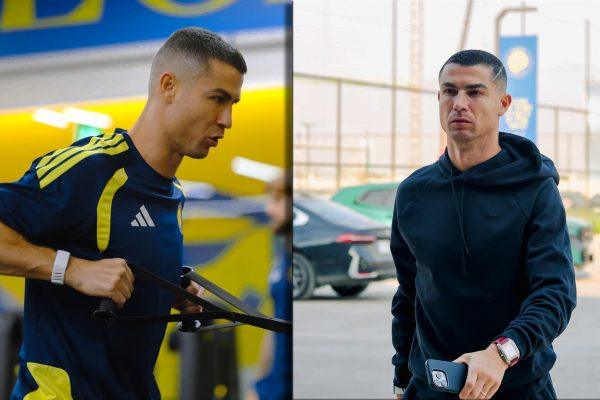
The Portuguese Football Federation has handed Cristiano Ronaldo a €255 fine and a 30-day suspension following his abrupt departure from national team duty. The decision, announced by the federation's Disciplinary Council, stems from a disagreement with head coach Jorge Jesus during a training camp in Copenhagen. While the suspension is retroactive and will expire before Portugal's next competitive fixtures, the financial penalty has drawn widespread attention for its symbolic nature.
A fine that barely registers
For a player of Ronaldo's stature, the fine is almost negligible. The 41-year-old forward earns over €200 million annually at Saudi Pro League club Al Nassr, not including endorsement deals. That means the penalty amounts to roughly 40 seconds of his standard earnings—a figure that has led many to view it as a formality rather than a deterrent. Sports analysts and financial commentators have noted that such a small fine does little to enforce discipline among elite athletes whose incomes dwarf those of the average professional.
This is not the first time Ronaldo has faced disciplinary action. His career has been marked by moments of intense emotion, from his explosive outbursts on the pitch to his public disagreements with coaches and officials. The latest incident, however, raises broader questions about how governing bodies handle misconduct by high-profile players.
Timing and impact on Portugal's squad
From a tactical perspective, the suspension's timing minimizes its impact. Because it began retroactively in early October, Ronaldo will be available for Portugal's UEFA Nations League matches in mid-November against Denmark and Wales. This ensures that the team's captain and all-time leading scorer remains in the squad for crucial qualifiers, a decision that likely reflects the federation's desire to balance discipline with competitive needs.
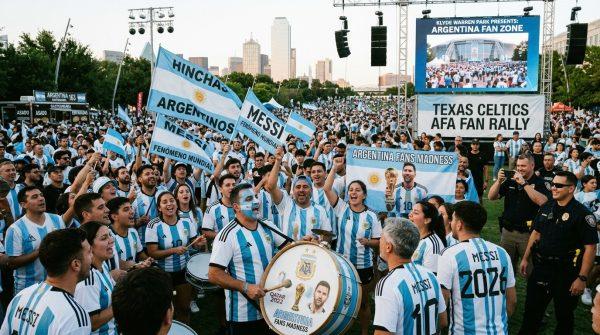
Ronaldo's relationship with the national team has been a subject of ongoing interest, especially as he approaches the twilight of his career. His farewell with Portugal contrasts sharply with Lionel Messi's recent departure from international football, highlighting different paths for two of the sport's greatest icons. While Messi has retired from Argentina duty, Ronaldo continues to lead Portugal, though not without friction.
Disciplinary frameworks in elite sports
The case also underscores the challenges federations face when disciplining global superstars. Uniform rules may apply, but their enforcement often varies based on the player's status and the competitive calendar. In Ronaldo's case, the federation's decision to impose a nominal fine and a suspension that doesn't affect key matches suggests a pragmatic approach—one that prioritizes squad harmony and tournament readiness over punitive measures.
Critics argue that such leniency undermines the authority of coaches and federations. Others point out that the fine's size is irrelevant to a player of Ronaldo's wealth, and that the real deterrent lies in the public scrutiny and potential loss of playing time. For now, the Portuguese federation has made its position clear: Ronaldo remains an integral part of the team, and this incident will not derail their campaign.
As Portugal prepares for the November fixtures, fans will be watching to see how Ronaldo responds. His return to the squad is expected to be seamless, but the episode adds another chapter to his storied career. Whether it will influence his legacy remains to be seen, but for now, the focus is on the pitch.