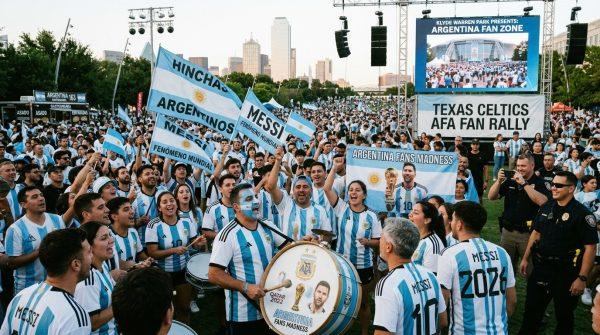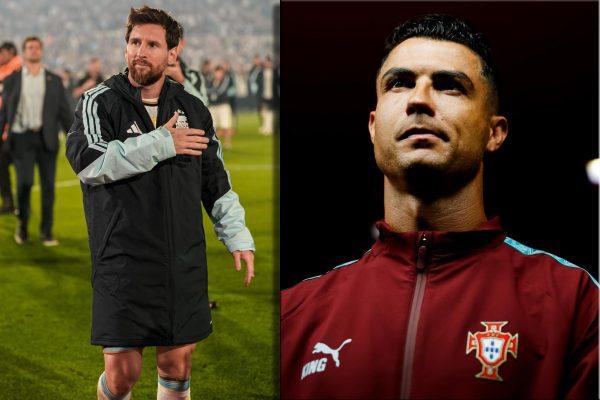
As the sun set over Buenos Aires, the Monumental Stadium became a sea of light and emotion. Lionel Messi, the captain who led Argentina to World Cup glory, walked off the pitch for the last time in an albiceleste shirt. The 3–0 win over Benin was almost secondary; the night belonged to Messi, his family, and 85,000 fans who came to say thank you. It was a farewell that felt scripted by the football gods—complete with a late penalty goal, a drone show, and a standing ovation that seemed to last forever.
Meanwhile, in Europe, Cristiano Ronaldo's final chapter with Portugal is taking a very different turn. At 41, the all-time leading scorer in men's international football finds himself in the middle of a public dispute with coach Jorge Jesus. After being benched for a Nations League match against Norway, Ronaldo left the team camp in Copenhagen and issued statements criticizing the coach, exposing a rift that has left Portuguese fans uneasy. The contrast between these two farewells could not be starker.
Messi's fairytale ending in Buenos Aires
Messi's international career ends with 208 caps, a World Cup, multiple Copa América titles, and the undying love of a nation that once doubted him. The tribute match, organized by the Argentine Football Association, was a celebration of that transformation. From the light show to the emotional embrace with his children on the pitch, every moment was crafted to honor a player who gave everything for his country. Even the drone show had its quirks—a left-foot error that fans quickly memed—but it didn't dampen the mood.
For many, Messi's farewell was a reminder of how far he's come. Early in his career, critics questioned his commitment to the national team. But he leaves as the undisputed heart of Argentina, a player who redefined what it means to lead. His evolution from a dazzling winger to a deep-lying playmaker allowed him to extend his influence, orchestrating games with vision and precision rather than sheer pace. It's a transition that made him indispensable even in his late 30s.
Ronaldo's turbulent road ahead
Ronaldo's situation is more complicated. His career has been built on explosive athleticism, relentless goal-scoring, and an unshakable belief in his own greatness. That drive made him a legend at Manchester United, Real Madrid, and Juventus, and it carried Portugal to Euro 2016. But as age catches up, his role has diminished, and he's struggling to accept a secondary position. The clash with Jorge Jesus over tactical decisions and promises made—or broken—has turned his final international chapter into a saga of tension.
Portuguese fans are divided. Some believe Ronaldo deserves a graceful exit, a farewell tour worthy of his records. Others argue the team must move forward, and that his presence on the bench is a sign of healthy evolution. The departure from camp only deepened the uncertainty. Meanwhile, young stars like Rafael Leão are stepping up, even taking the iconic No. 7 shirt in Ronaldo's absence, as reported in this update.
Two legends, two paths
Football analysts point out that the divergence isn't just about personality—it's about how each player adapted their game. Messi reinvented himself as a midfield maestro, relying on spatial awareness and short passing to elevate his teammates. Ronaldo, on the other hand, built his legacy on physical dominance and vertical explosiveness, making the shift to a supporting role far more jarring. It's a reminder that even the greatest must confront the limits of time.
Yet both leave behind records that may never be broken. Messi's 208 caps and Ronaldo's 135 international goals are monuments to their longevity. As the football world watches Ronaldo navigate this final stretch, there's hope that he and the Portuguese federation can find common ground. A dignified farewell, like the one Messi received, would be a fitting tribute to a player who gave so much to the game. For now, fans on both sides of the Atlantic wait, knowing that the end of an era is never easy.