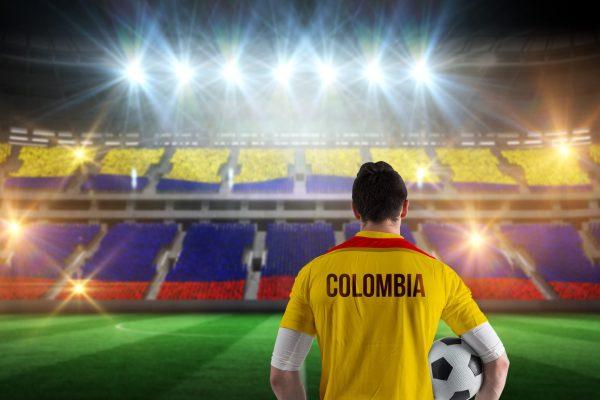
The Colombian National Team steps onto the pitch at Kansas City Stadium for a Round of 32 clash against Ghana, carrying the weight of an undefeated group stage and the expectations of a nation. After topping Group K ahead of Portugal, Néstor Lorenzo’s squad has proven its mettle against top-tier competition. But the knockout rounds bring new pressures—and a familiar face on the opposing sideline.
Colombia’s Physical Toll After the Portugal Battle
Colombia’s group-stage finale against Portugal was a high-intensity affair that left its mark. The tactical speed and relentless pressing required to contain Portugal’s attack have resulted in significant muscular fatigue among key players. Fullbacks Deiver Machado and Santiago Arias, who were instrumental in both defense and transition, now face a tight recovery window. Midfielder Jefferson Lerma, known for his disruptive presence, also logged heavy minutes. The coaching staff has implemented specific workload management routines to ensure the squad can match Ghana’s athletic profile.
Despite these concerns, Colombia’s offensive firepower remains formidable. Luis Díaz and Jhon Córdoba are expected to lead the attack, supported by the creative vision of James Rodríguez. Rodríguez continues to build on his World Cup legacy, with six goals and four assists across eleven matches since 2014. His ability to unlock defenses will be crucial against a Ghanaian side that has shown defensive discipline under Queiroz.
The Carlos Queiroz Factor
This knockout tie carries a compelling narrative: Colombia faces its former manager, Carlos Queiroz. The Portuguese coach’s tenure with the Cafeteros from 2019 to 2020 ended abruptly after heavy losses to Uruguay and Ecuador. Now, after taking over Ghana’s bench just two months before the tournament, Queiroz has instilled a rigid defensive structure. The Black Stars conceded only in a narrow 2-1 defeat to Croatia, a testament to their organization despite key absences—Tottenham’s Mohammed Kudus is out with injury, and Thomas Partey is sidelined due to off-field legal issues.
Queiroz’s familiarity with Colombian players and tactics adds an intriguing layer. He knows the strengths and weaknesses of James, Díaz, and the defensive line. But his time with Ghana has been limited, and the team’s attacking rhythm remains a question mark. Antoine Semenyo, expected to recover from a knock, will be crucial for Ghana’s transitional play, while Marvin Senaya anchors the defense.
Roster Dynamics and Tactical Styles
The matchup in Missouri promises a clash of approaches. Colombia aims to control possession and maximize offensive volume, while Ghana will rely on containment and quick counters. The winner advances to the Round of 16, where they will face the victor of the Switzerland-Algeria tie. For Latin American teams, the stakes are high—this is part of a broader 2026 World Cup Round of 16 set that includes several regional rivals.
Colombia’s depth and experience give them the edge on paper, but the physical toll and Queiroz’s tactical nous could level the playing field. The Cafeteros must balance their attacking ambition with defensive caution, especially against a Ghana side that thrives on disrupting rhythm. As the knockout stage unfolds, every decision matters—and for Colombia, this is a chance to prove that their group-stage dominance was no fluke.
For fans following the broader tournament, the Golden Boot race remains wide open, and Colombia’s path could intersect with other Latin American teams in later rounds. But first, they must navigate this reunion with Queiroz and the physical demands of a World Cup knockout. Kansas City will be the stage for a story that blends history, strategy, and the raw emotion of international football.