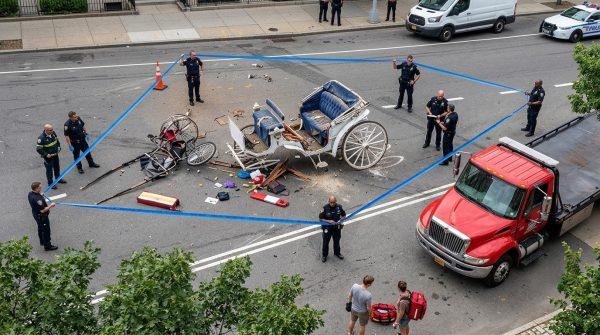
Central Park's iconic horse-drawn carriage rides came to an abrupt halt on June 18, 2026, after a tragic accident claimed the life of an 18-year-old tourist from India the day before. The young man, who had just been accepted to university, died while trying to protect his mother when the horse bolted near a fountain. The incident has thrust the century-old tradition into a fierce regulatory battle, with the city council now weighing a permanent ban.
The Transport Workers Union Local 100 shut down all stables immediately after the accident, citing eight similar incidents in the past thirteen months. Mayor Eric Adams, who campaigned on phasing out carriage rides, has renewed his commitment to ending the practice. The proposed Ryder Act would ban horse-drawn carriages entirely and retrain drivers for other jobs, but carriage owners argue that better infrastructure—like tie-up posts—could prevent 90% of accidents.
A Tragedy That Shook the City
According to the victim's father, the driver stepped off the carriage to photograph the family near a fountain. Suddenly, the horse bolted, causing the mother to fall. The young man jumped to help her, screaming in despair, but hit his head hard on the ground before the carriage collided with another and overturned. The father, mother, and younger brother suffered minor injuries. The Central Park Conservancy confirmed this was the first human fatality in the park's 150-year history.
The tragedy has reignited old debates. Animal rights groups have long opposed carriage rides, citing the death of a horse named Deniz from toxic plants in 2022. But for many drivers, blacksmiths, and stable hands—many of whom are immigrants from Latin America and other regions—the ban threatens their livelihoods. "This is how I feed my family," said one driver who asked not to be named. "We need regulation, not elimination."
The union emphasizes that drivers cannot stay on the carriage for hours without breaks for basic needs. They argue that logical solutions, like designated tie-up posts, could address safety concerns without destroying an industry that generates hundreds of direct and indirect jobs. Meanwhile, the owner of the involved carriage has suspended the driver indefinitely and permanently removed the frightened horse from public streets.
What Comes Next for the Carriage Industry?
The city council has convened urgent hearings to debate the Ryder Act. Tourism business owners acknowledge the profound sadness the accident caused but demand empathy for what they call a fortuitous tragedy. The park administration, however, insists on the severity of the recent incidents and supports the data on previous accidents reported by local media.
For many New Yorkers and visitors, the carriage rides are a nostalgic symbol of the city—a tradition that appears in countless films and family photos. But the debate now centers on whether that nostalgia is worth the risk. As the council seeks a fair transition for workers, the future of Central Park carriage rides hangs by a thread.
This story resonates beyond New York. For Latino families in the diaspora, traditions like these often serve as cultural touchstones that keep us connected across generations. The loss of such a tradition—or its transformation—can feel personal. Similarly, the resilience of workers facing economic uncertainty echoes the struggles of many immigrant communities, much like California small businesses battling rising costs.
As the city moves forward, the question remains: Can safety and tradition coexist? The answer will shape not just the future of Central Park, but how we honor the past while protecting the present.