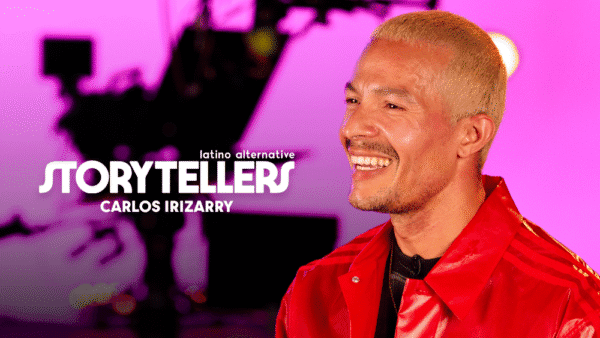
For Carlos Irizarry, the dance floor has always been more than a stage—it's been a sanctuary. Known professionally as Carlos Basquiat, the artist traces his beginnings to a vibrant, music-filled apartment in the Bronx, where his Puerto Rican heritage provided the soundtrack to his early life.
At home, Saturday mornings were for salsa with his parents, surrounded by a vinyl collection that spanned from Spanish classics to The Temptations and Aretha Franklin. "Dancing has always been my passion," Irizarry shared on Latino Alternative Storytellers. "It's my outlet… my source of freedom." His mother recalls him dancing at every opportunity, from birthday parties to school dance teams, inheriting the role of the life of the party from her and his grandmother.
Yet, outside that familial oasis, young Carlos quickly learned his rhythm made him a target. Walking to school, he faced taunts for his feminine expression. "I was surrounded by straight men who didn't understand [me]," he reflects. His parents, unfamiliar with the harsh street vernacular, advised him to retaliate, but it offered little relief. The experience was isolating, particularly in elementary school, a time meant for joy but marked by struggle for Irizarry.
Finding Power in Movement
That same uniqueness, however, would ultimately define his career. After moving to Los Angeles, Irizarry immersed himself in the city's dance studios. His big break came dancing for Fergie, which launched collaborations with major artists like Ariana Grande and Sam Smith, and commercial work for brands like McDonald's and Pepsi.
At the core of his choreographic voice is voguing. "Voguing… is a dance style that was created in the 60s and 70s in Harlem and is the depiction of models striking poses," he explains. "It's a style of self-expression." He first encountered the form in Harlem and became obsessed. In Los Angeles, he grew into a notable figure within the expressive, queer-centric ballroom community, a scene with deep roots in Black and Latino LGBTQ+ history.
His journey mirrors that of other artists who channel personal identity into performance, much like Elvis Nolasco's path from NYC breakdancer to acclaimed actor. Both stories highlight how artistic disciplines born in specific communities can propel individuals to mainstream recognition.
The Call from Beyoncé
A career-defining moment arrived with an email from Parkwood Entertainment. Irizarry was invited to join Beyoncé's team as a contributing choreographer for the visuals of her Renaissance album. The project held profound personal significance. "Renaissance was dedicated to her uncle, who was gay, who was a fashion stylist, [who] was also part of the ballroom community," Irizarry says. "It was meant for me to be a part of the message of that tour, and what it stood for. It's a very personal album for me."
This alignment of art and identity underscores a broader cultural moment where Latino and queer narratives are centered in major pop culture productions. It resonates with the themes explored in discussions on Afro-Latino heritage, emphasizing that authentic representation requires integrating these stories year-round, not just during designated months.
Today, Carlos Irizarry tells his story through movement—vulnerable, expressive, and resilient. He demonstrates how passion and perseverance can forge meaning and opportunity. As a liaison for the voguing community in Los Angeles, he continues to inspire a new generation of dancers to express their truth and spread love on the dance floor.
His narrative is a testament to the power of embracing one's unique rhythm, a lesson that echoes from the Bronx to global stages.