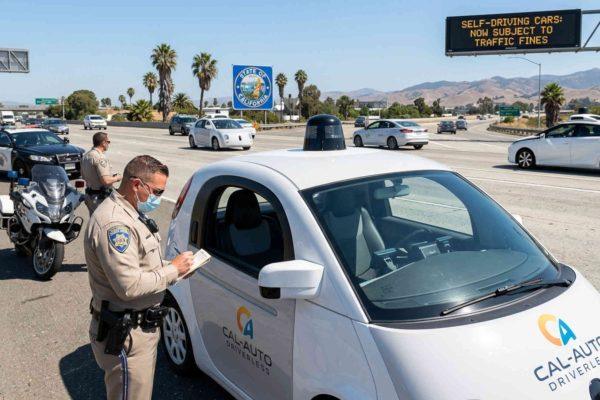
California is taking a bold step in regulating autonomous vehicles, treating them more like human drivers when it comes to traffic violations. The state's Department of Motor Vehicles (DMV) has rolled out new rules that allow law enforcement to issue fines directly to the manufacturers of self-driving cars, rather than letting them off the hook under previous exemptions.
Under the updated regulations, authorities can send a Notice of AV Noncompliance to companies whenever one of their autonomous vehicles breaks traffic laws. This marks a shift: for the first time, automated systems face a penalty structure similar to that of people in California. The goal is to increase transparency and accountability among tech firms, ensuring they take responsibility for their fleets on public roads.
Operational Restrictions and Emergency Measures
Beyond fines, the DMV can impose customized operational restrictions on manufacturers. These include limiting fleet size, defining where and when vehicles can operate, or even suspending permits for repeated offenses. In emergencies—like fires, serious accidents, or evacuations—officials can declare restricted zones that autonomous vehicles must avoid. If an AV is inside such a zone, it must exit immediately; failure to comply could lead to permit suspension. This measure aims to prevent interference with rescue operations and emergency services.
The regulations cover a wide range of autonomous vehicles, from light sedans to heavy trucks and transit buses. Manufacturers must also meet rigorous testing requirements before transitioning to driverless service. For light vehicles, this includes a minimum of 50,000 miles driven with a safety driver on board. Remote operators must meet training and certification standards comparable to those for traditional drivers.
This move comes as California continues to grapple with the integration of autonomous technology into daily life. For Latino communities across the state—from Los Angeles to San Francisco—these changes could affect how they interact with ride-hailing services and delivery robots. As middle-class families face financial pressures, the cost of autonomous vehicle operations may indirectly impact transportation options.
While the regulations are a win for safety advocates, they also raise questions about the future of mobility in a state where aerospace and tech industries are booming. The DMV's approach could serve as a model for other states, but it also highlights the challenges of balancing innovation with public safety.
For now, manufacturers like Waymo and Cruise will have to adapt to a new reality: their autonomous fleets are no longer above the law. As one DMV official put it, "Accountability is key to building trust in this technology." The message is clear: in California, even robots must follow the rules of the road.