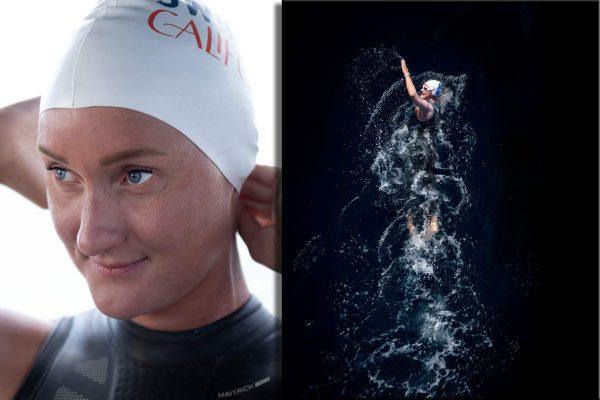
Open water swimmer Catherine Breed has made history by becoming the first person to swim the entire coastline of California. The 33-year-old former U.S. national team swimmer completed the 900-mile journey from the Oregon border to the Mexican frontier in 111 days, a feat that tested her endurance, strategy, and resolve.
Breed's expedition, named Swim California, was not just a physical challenge but a mission to highlight the urgent need for ocean conservation. With an all-female crew aboard her support vessel Catalyst, she navigated some of the most unpredictable waters in the Pacific, all while adhering to strict marathon swimming guidelines.
El Niño and the tactical shift
The journey was complicated by a super El Niño that disrupted the usual southbound currents. To ensure every mile was legitimately covered, Breed and her team used a tactical adjustment approved by the World Open Water Swimming Association: swimming northbound during strong counter currents. This clever maneuver allowed her to maintain progress while respecting the rules of open water swimming.
"The ocean is a dynamic environment, and we had to adapt constantly," Breed said. "El Niño changed the rules, but we found a way to make it work."
Sharks, storms, and the real threat
Breed's route took her through volatile weather, including 25-knot winds and eight-foot swells from Hurricane Rachel off Dana Point. She also encountered four great white sharks and a fast-moving mako shark, which forced her to make rapid exits from the water whenever these apex predators came too close.
But the most dangerous threat, Breed emphasized, was not marine wildlife—it was human pollution. Near Imperial Beach and the Tijuana River outlet, she had to swim nearly three miles offshore and take preventative antibiotics to avoid illness from millions of gallons of untreated wastewater. She also collected floating plastic debris along the way, turning her swim into a cleanup effort.
"The sharks were scary, but the pollution is what really worries me," Breed noted. "We are literally swimming in our own waste, and that's a crisis we can't ignore."
Moments of wonder and a call to action
Despite the hazards, the journey was filled with remarkable encounters with marine life. Off Santa Barbara, pods of bottlenose dolphins swam alongside her, and between Humboldt County and Point Conception, she saw humpback whales on a daily basis. These moments, she said, reminded her why she took on this challenge.
Breed stepped away from her corporate career to pursue the expedition, and during her journey she hosted ten coastal community events to promote marine ecology protection. Her record is now awaiting formal verification, but her impact is already clear.
"This swim was never just about me," Breed said. "It's about inspiring people to care for our oceans, from the shores of California to the coasts of Baja and beyond."
As California's coast faces threats from rising seas and pollution, Breed's story resonates with the broader Latino community, many of whom have deep ties to the Pacific. Her achievement is a reminder of the power of individual action in the face of environmental challenges.