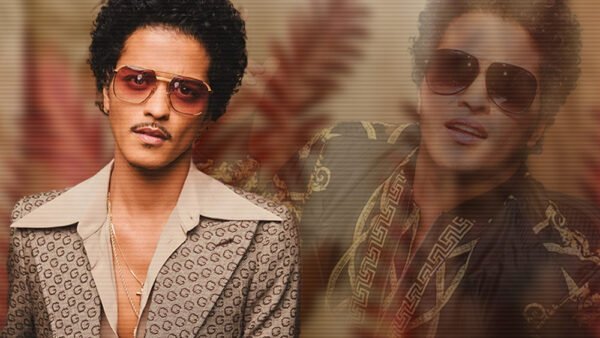
Bruno Mars stands as a defining pop icon of his generation, celebrated for his dynamic performances and genre-blending hits. Yet, behind the global fame lies a rich, multicultural personal history that fuels ongoing conversations about identity, heritage, and artistic inspiration within the Latino diaspora.
A Mosaic of Heritage: Puerto Rico, the Philippines, and Hawaii
Born Peter Gene Hernandez in Honolulu, Hawaii, Bruno Mars was raised at the crossroads of distinct cultures. His father, Pedro "Pete" Hernandez, is a Puerto Rican percussionist, while his mother, Bernadette San Pedro Bayot, was of Filipino and Spanish descent. This blend meant Mars grew up immersed in a unique cultural fusion, far from the mainland U.S. yet deeply connected to his parents' ancestral homes.
He has never shied away from his Puerto Rican roots. In a memorable 2012 interview with Latina magazine, he stated emphatically, "My last name is Hernandez. My father's name is Pedrito Hernandez, and he's a Puerto Rican pimp. There's no denying that." This declaration was a direct response to early career concerns that his birth name might lead industry executives to pigeonhole him as solely a Latin artist. The stage name "Bruno Mars" was born from a childhood nickname and a desire to sound "bigger than life," not, as he clarified, to obscure his ethnicity.
The Afro-Latino Question and Musical Lineage
The question of whether Bruno Mars identifies as Afro-Latino touches on broader discussions about race, ethnicity, and the African diaspora's profound influence on music across the Americas. While Mars is of Puerto Rican descent—a culture with deep African roots—he does not typically self-identify as Afro-Latino. His public reflections on musical influence, however, are unequivocal.
He has spoken extensively about the foundational role of Black American music in his artistry. "When you say 'black music,' understand that you are talking about rock, jazz, R&B, reggae, funk, doo-wop, hip-hop, and Motown," Mars has said. "Black people created it all. Being Puerto Rican, even salsa music stems back to the Motherland [Africa]." He credits the R&B and pop of the 1990s—from artists like Whitney Houston, Boyz II Men, and Aaliyah—as the soundtrack of his youth and his primary inspiration.
This reverence has sometimes placed him in debates about cultural appropriation, to which his response has been to consistently highlight and honor these origins. His artistic output, from the funk revival of "24K Magic" to the soulful pop of his earlier work, is a testament to this lineage.
Embracing a Multifaceted Identity
For Mars, identity is not a monolith but a spectrum of influences. His advocacy extends beyond his music. In 2018, following Hurricane María's devastation, he donated $1 million to relief efforts in Puerto Rico, a powerful gesture of connection to his father's homeland. He has also used his platform to speak against anti-Latino discrimination.
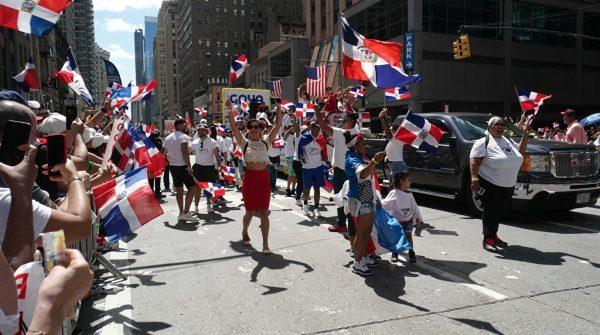
His story mirrors that of many in the diaspora, where identity is layered and personal. It speaks to the experience of navigating multiple worlds and creating something new from those intersections. As discussions around Latino identity in the U.S. evolve, figures like Mars highlight its beautiful complexity.
Ultimately, Bruno Mars embodies a modern, global Latino experience. He is a product of Puerto Rican heritage, Filipino family, Hawaiian upbringing, and a musical education rooted in Black American traditions. This confluence makes him a compelling figure in the ongoing dialogue about what it means to be Latino today—a conversation that, as seen in projects like 'El Heredero', continues to explore heritage in nuanced ways. His career reminds us that culture is not static but a living, breathing blend of histories and sounds, much like the Afro-Latino heritage he acknowledges in the roots of the music he loves.
From his debut with "Doo-Wops & Hooligans" to his Grammy-sweeping "24K Magic," Bruno Mars has built a legacy on infectious joy and impeccable craft. That legacy is undeniably filtered through the prism of his multicultural reality—a reality that continues to shape not just his music, but also the broader conversation about identity in the arts.