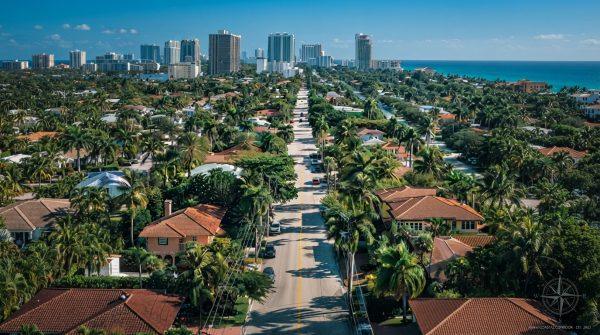
In the heart of Silicon Valley, a quiet town of tree-lined streets and sprawling estates has once again claimed the crown as the most expensive ZIP code in the United States. Atherton, a small enclave of about 7,000 residents, has seen median home values soar to nearly $10 million, driven by a wave of wealth from the artificial intelligence boom. This isn't just a story about real estate—it's a reflection of how technology is reshaping the economic landscape of Northern California and, by extension, the broader American dream.
AI wealth fuels a new housing boom
Over the past year, property values in Atherton have jumped by roughly 20%, according to recent data from Forbes. The surge is directly linked to the unprecedented financial liquidity among tech founders, executives, and early employees who have cashed in on the AI revolution. These buyers are not just looking for a home—they're seeking privacy, security, and a status that only a few places in the world can offer.
Real estate agents in the area describe a market where bidding wars are fierce, and many transactions close without traditional financing contingencies. In some cases, properties are sold before they even hit the public market, with buyers using private corporate entities or discreet holding companies to finalize deals worth over $30 million. This level of secrecy is not just about discretion—it's about maintaining a competitive edge in a market where every square foot counts.
Beyond Atherton: a regional shift
Atherton's rise is part of a larger trend across Northern California, where AI-driven companies are expanding and their employees are seeking homes in exclusive neighborhoods. The demand has spilled over into nearby cities like Palo Alto and Los Altos, where median prices have also climbed. But Atherton stands out for its ability to attract the ultra-wealthy, surpassing even Florida's Fisher Island, a longtime contender for the top spot.
This boom is not without its challenges. Municipal planners are processing a high volume of permits for new construction and enhanced security systems, as tech billionaires often demolish older homes to build ultra-modern compounds. The result is a rapidly changing landscape that prioritizes privacy and cutting-edge design, sometimes at the expense of the area's historic charm.
For Latinos, this story resonates on multiple levels. Many in our community are part of the tech workforce, from engineers to entrepreneurs, and the wealth generated in Silicon Valley has created opportunities for homeownership and investment. At the same time, the rising cost of living in the Bay Area has pushed many families, including Latino families, to relocate to more affordable regions, a trend that has fueled Florida's Gulf Coast luxury real estate boom. The dynamics of this market are complex, and they mirror the broader economic shifts affecting communities across the country.
Financial institutions are also adapting to this new reality. With such large sums of money moving through the luxury housing sector, banks and wealth management firms are implementing sophisticated verification protocols to ensure transparent capital flows. This is a response to the unique liquidity patterns that concentrated tech wealth creates, and it's a sign that the market is maturing.
As the AI industry continues to grow, so too will the demand for luxury housing in Silicon Valley. But this is not just a story about the 1%. It's about how innovation and capital can transform a community, for better or worse. For those of us watching from the outside, it's a reminder that the American dream is still alive—but it's getting more expensive every day.
For more on how tech wealth is reshaping real estate, check out our coverage of LeBron James' real estate empire and Latino stars' real estate fortunes in California and Texas.