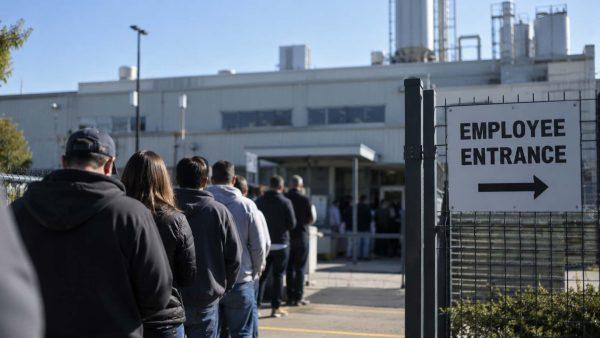
California's manufacturing sector is taking another hit as Amy's Kitchen, the frozen-food company known for its organic and vegetarian meals, announced it will permanently close its Santa Rosa production facility. The move will eliminate roughly 207 jobs in the city, part of a broader restructuring that affects about 260 positions across the company's manufacturing network.
A phased goodbye, not a sudden one
The closure won't happen overnight. Amy's plans to wind down operations in phases, with layoffs expected to begin in late 2026 and continue through summer 2027. That timeline gives some workers months of notice, but the uncertainty is still heavy for a region that has seen its share of industrial exits.
Affected employees will receive separation packages, as well as job-placement and counseling assistance, according to the company. Still, for many longtime workers, the news lands like a punch to the gut.
Where the food will be made now
Production currently handled in Santa Rosa will be transferred to Amy's facilities in Medford, Oregon, and Pocatello, Idaho, as the company reorganizes its plants around specific product lines. The corporate headquarters will remain in Petaluma, California, so the company isn't leaving the state entirely—but the manufacturing map is clearly shifting.
This isn't Amy's first major cut in California. In 2022, the company closed a San Jose factory, eliminating around 300 jobs. State WARN records also show 305 permanent layoffs at Santa Rosa-area facilities effective December 2024. The Santa Rosa plant has also faced scrutiny: Cal/OSHA fined the company $25,000 after investigating workplace health and safety violations, and the company later dealt with a consumer boycott. Amy's told SFGATE that neither the boycott nor unionization efforts played a role in the closure decision.
Why Amy's says it's leaving
CEO Paul Schiefer said the company's manufacturing network had become more complex than its current business requires. After considering alternatives, Amy's decided that concentrating production at fewer facilities would make operations more efficient in the long run.
For California workers, that explanation offers little comfort. The state has been losing manufacturing jobs for years, and this closure adds to a pattern that hits working-class communities hard. While California has invested millions to create new jobs in key industries, the reality on the ground is that traditional factory work continues to shrink.
The Santa Rosa shutdown also comes amid broader conversations about the state's business climate. Some lawmakers are pushing for policies to ease regulations, like new HOA repair rules or extended deadlines for insurance appeals, but those don't directly address the manufacturing exodus.
For the Latino community in Santa Rosa—where many factory workers are immigrants and first-generation Americans—this closure is more than a business decision. It's a loss of stable, family-sustaining jobs in a region where the cost of living keeps climbing. As one worker told a local news outlet, "We came here to work, and now there's nothing."
Amy's Kitchen has been a staple in the natural foods world, and its products are found in freezers across the country. But for the people who helped build that brand, the next few years will be a scramble for new opportunities. The company says it will help with transitions, but the road ahead is uncertain.
As California continues to evolve its economy, stories like this remind us that progress doesn't always include everyone. The state's leaders talk about innovation and green jobs, but for the workers at Amy's Santa Rosa plant, the future looks a lot less bright.