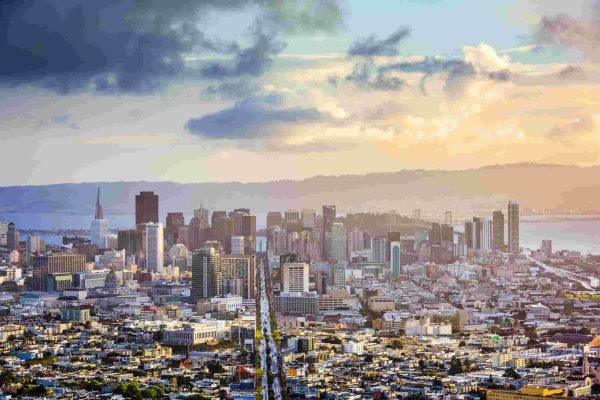
San Francisco has long been a city of extremes, but the latest surge in home prices is rewriting the rules. The median home now sells for $1.7 million—a figure that dwarfs the national average and cements the city's status as the most expensive housing market in the United States. The culprit? A wave of artificial intelligence wealth that has transformed the local real estate landscape.
Over the past year, the median home price in San Francisco has climbed to unprecedented levels, fueled by a new class of buyers: tech workers with hefty stock options from AI companies. These buyers are engaging in fierce bidding wars, often paying hundreds of thousands of dollars above asking price. The competition is so intense that real estate agents say the listed price is merely a starting point, not a reflection of what a home will actually sell for.
The housing supply has tightened dramatically, with inventory down nearly 30% compared to the previous year. This scarcity, combined with the influx of AI-generated wealth, has created a perfect storm. Rental prices in San Francisco now surpass those in New York, making it the priciest rental market in the country as well.
Beyond the Bay: A widening divide
While AI professionals are snapping up homes for millions, longtime residents are feeling the squeeze. The economic gap between San Francisco and its neighbors, like Oakland, is growing. In Oakland, the average rent remains significantly lower, but even there, the pressure is mounting as displaced workers and families look for more affordable options across the bay.
This cycle is more extreme than previous tech booms, according to market analysts. The concentration of wealth among a small group of AI professionals—many of whom work for companies valued in the hundreds of billions—has created a dynamic where the rest of the population is priced out of the market. Renters outside the AI sector find themselves trapped between rising rents and unattainable home prices.
The disparity is not just economic; it's geographic. As San Francisco becomes increasingly unaffordable, communities in the East Bay and beyond are absorbing the overflow. But even there, the ripple effects are felt, as landlords raise rents and home prices inch upward. The affordability crisis is driving families elsewhere, a trend that shows no signs of slowing.
What's next: IPOs and the future of the market
The pressure on San Francisco's housing market could intensify in the coming months. Several major AI companies are preparing for initial public offerings, which could create thousands of new millionaires overnight. These newly wealthy employees are likely to pour their liquidity into real estate, further driving up prices.
Real estate analysts warn that there is no end in sight. The combination of high AI salaries and limited supply continues to fuel competition. "We're seeing a market that is fundamentally different from anything we've experienced before," says one local agent. "It's not just about supply and demand anymore; it's about a concentration of wealth that is unprecedented."
For those not in the tech sector, the dream of homeownership in San Francisco is slipping away. The hidden cost of even the cheapest one-bedroom apartment is becoming prohibitive. Some wealthy Californians are even seeking golden visas abroad as uncertainty grows, a sign of the times.
This AI-driven real estate fever is redefining the economic rules of the Bay Area. It's a story that resonates beyond San Francisco, touching on themes of inequality, displacement, and the changing face of American cities. For Latinos in the region, many of whom have deep roots in neighborhoods like the Mission District, the impact is personal. The cultural fabric of these communities is at risk as gentrification accelerates.
As the market continues to evolve, one thing is clear: the AI boom has reshaped San Francisco in ways that will be felt for generations. Whether this leads to a more divided city or a more inclusive one remains to be seen, but for now, the bidding wars rage on.