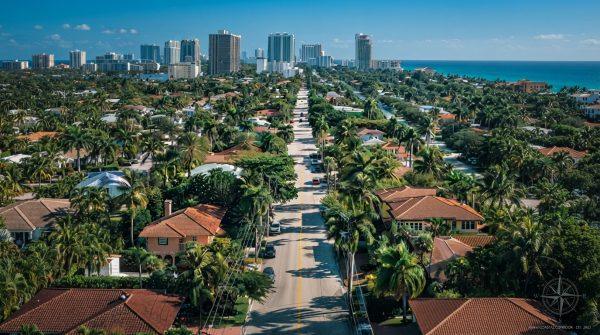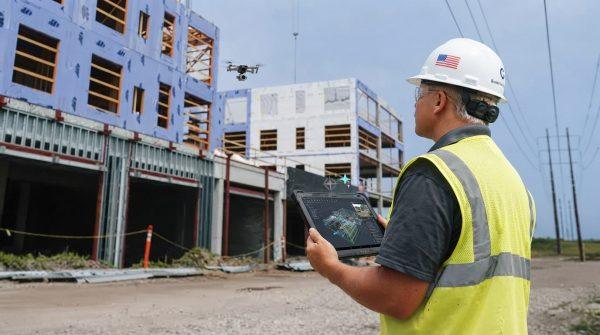
The rapid expansion of artificial intelligence infrastructure is reshaping the construction industry in the United States, pulling skilled workers away from residential projects and deepening the housing crisis. As tech giants build massive data centers, they are offering wages and benefits that many local builders simply cannot match, leaving neighborhoods across the country with fewer homes and higher prices.
According to recent reports, pending home sales have hit historic lows, and housing starts dropped significantly in July 2026. At the same time, AI data centers are absorbing a large share of the construction workforce, from electricians and carpenters to project managers. This migration is not just a temporary trend—it's a structural shift that is reshaping where and how homes are built.
The lure of tech wages
Technology companies are offering substantially higher pay and comprehensive benefits for specialized trades, making it hard for residential developers to compete. Smaller builders, working with tight profit margins, are losing experienced workers to commercial projects that promise more stability and career growth. The result is a growing labor deficit of approximately 300,000 skilled workers nationwide, according to industry leaders.
Workers are also drawn to the specialized experience that comes with building high-tech computing hubs. These projects require advanced electrical and HVAC expertise, which aligns with the skills of top-tier residential builders. For many, the opportunity to work on cutting-edge infrastructure is more appealing than traditional suburban development, especially when it comes with better pay and benefits.
This trend is particularly visible in suburban and semi-rural counties where tech companies build enormous server farms. These projects can drain the local labor pool completely, leaving nearby housing initiatives understaffed. Contractors often relocate temporarily to capture these lucrative opportunities, further disrupting local construction markets.
Impact on housing affordability
The labor shortage is driving up material and labor costs, pushing final home prices beyond the reach of average families. Delays in construction also increase financing costs for independent developers, who are already struggling with tight margins. As a result, supply is not keeping up with demand, leading to persistent affordability crises in many states.
For Latino families, who are disproportionately affected by housing affordability, this crisis is particularly acute. Many rely on new construction to find affordable homes, but with fewer projects being completed, they face limited options and intense competition. The housing crisis for Latino families is being exacerbated by this labor shift, as data centers outbid homebuilders for the same workers.
Decades of declining enrollment in trade schools have left the labor market unprepared to handle simultaneous booms in tech and housing. Industry associations are urging federal legislators to fund aggressive workforce education initiatives. In the meantime, real estate firms are exploring modular building techniques and automation to compensate for the permanent loss of manual labor.
Strategic responses
Some industry coalitions are partnering with community colleges to launch targeted training programs that rapidly certify new generations of skilled trade workers. Private sector grants are also helping offset educational costs for aspiring builders. These efforts aim to replenish the workforce and ensure that residential construction can continue to meet the needs of communities.
Residential construction companies are also revising compensation structures and offering flexible scheduling options to retain skilled staff. Improving workplace safety standards is another strategy to attract younger demographics to traditional trades. These measures are essential to mitigate the impact of AI data centers on the housing market.
As the demand for AI infrastructure continues to grow, the competition for construction workers is likely to intensify. Policymakers are evaluating regional zoning reforms to streamline residential approvals, but without a sustained investment in workforce development, the housing shortage may persist. For now, the well-paid jobs in AI infrastructure are a double-edged sword: they offer opportunities for workers but also contribute to the challenges facing home construction.
In the meantime, communities are feeling the effects. In places like Lake Tahoe, local governments are experimenting with incentives to encourage second-home owners to rent to workers, a sign of how tight housing markets have become. The situation underscores the need for a balanced approach that supports both technological innovation and the basic need for affordable housing.