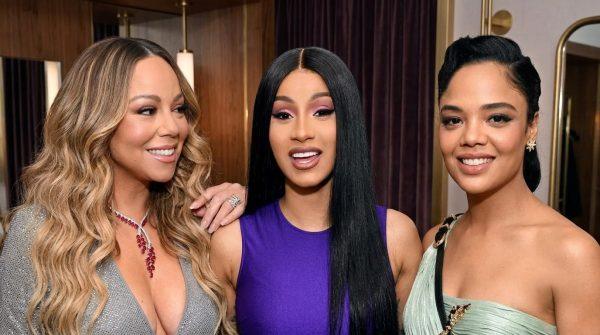
Across the Americas and the diaspora, Afro-Latino artists, athletes, and activists are reshaping what it means to be both Black and Latino. For too long, mainstream narratives forced a false choice between these identities, but a new generation of public figures is proving that the fusion of African and Latin American roots is a source of strength, creativity, and cultural power.
According to the Pew Research Center, one-quarter of all U.S. Latinos identify as Afro-Latino or of African descent with roots in Latin America. That statistic is not just a number—it reflects millions of people whose stories have often been overlooked. Today, icons from the Dominican Republic, Puerto Rico, Panama, and beyond are demanding visibility, not as tokens, but as architects of a more honest and pluralistic cultural landscape.
Breaking Barriers in Music and Film
In music, Cardi B has become a global phenomenon, proudly representing her Dominican and Trinidadian heritage while dominating the rap charts. Her unapologetic celebration of Caribbean culture has opened doors for a broader acceptance of Afro-Latino sounds in mainstream hip-hop. Similarly, Maxwell and Miguel have redefined R&B by weaving their Caribbean roots into their work, creating a sound that is both deeply personal and universally resonant.
On screen, Jharrel Jerome made history by winning an Emmy for his lead role in When They See Us, a milestone for Dominican-American performers. His portrayal of one of the Central Park Five brought a nuanced humanity to a story that had been sensationalized for decades. Meanwhile, Tessa Thompson, with her Panamanian and Mexican ancestry, continues to challenge Hollywood’s narrow casting choices, appearing in blockbuster franchises while speaking openly about colorism and the need for more authentic representation.
Mj Rodriguez has shattered barriers as a trans actress of Puerto Rican descent, bringing visibility to marginalized communities in television. Her work on Pose not only earned critical acclaim but also opened fundamental doors for trans talent in an industry that has long excluded them. Rosie Perez, a veteran of both independent and commercial cinema, remains a fierce advocate for her Puerto Rican roots, leaving an indelible mark on every role she takes.
Sports, Journalism, and Activism
Beyond entertainment, Afro-Latino figures are using their platforms to drive social change. Baseball star Francisco Lindor, born in Puerto Rico, has been vocal about disparities in Major League Baseball and the need for greater equity. Journalist Soledad O’Brien, of Afro-Cuban descent, has rewritten how news outlets cover communities of color, moving away from clichés to deliver precise, empathetic reporting that reflects the true demographic complexity of the United States.
Rosario Dawson, an actress and activist, channels her heritage into social causes, proving that art can be a tool for transformation. Laz Alonso, who identifies as Black and Cuban, has demanded fair treatment for artists of color in Hollywood, refusing to let media labels box him in. Gina Torres, a Cuban-American actress, has emphasized the urgent need for more diverse creators in leadership roles, both in front of and behind the cameras.
The path toward equitable representation is not just about visibility—it requires concrete action from studios, award academies, and audiences. As these ten icons demonstrate, the future of entertainment depends on valuing the richness of Afro-Latino heritage without imposing artificial choices between race and ethnicity. When the industry promotes these voices, it pays tribute to history while building a fairer ecosystem where success is determined by talent and vision alone.
For more on how Latino communities are navigating identity and representation, read our piece on how pride in country persists despite economic strain. And if you're looking for connection, check out our guide to the best dating apps for Latinos in the US.