When the streets of Rio de Janeiro, Port of Spain, and Santo Domingo erupt in color each year, the spectacle is more than just a party. The feathers, beads, and intricate textiles that define Carnival fashion carry centuries of history, memory, and defiance. For Afro-Latino communities across the Americas, these costumes are a profound connection to ancestral roots and a dynamic declaration of identity.
Threads of Memory: From African Ritual to Carnival Spectacle
The origins of these vibrant displays lie in the masquerade traditions of West and Central Africa, which traveled across the Atlantic during the transatlantic slave trade. These were not merely decorative; they were integral to spiritual rituals, community ceremonies, and storytelling. In the Americas, enslaved Africans and their descendants transformed these practices into a language of survival and celebration, embedding their heritage into the very fabric of Carnival.
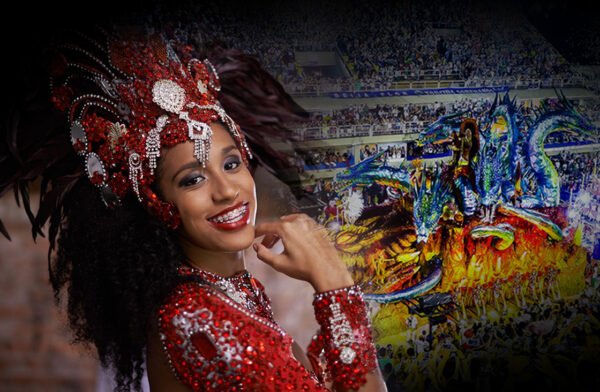
Today, this legacy manifests in distinct regional expressions. In Rio de Janeiro, the grand samba schools meticulously craft elaborate costumes where every feather and sequin can symbolize an orixá, or African deity, from traditions like Candomblé. Up the coast in Salvador, Bahia, groups like the pioneering Afro-blocos Ilê Aiyê proudly showcase vibrant Ankara wax prints and towering headdresses, creating a powerful visual celebration of Black Brazilian identity.
Beyond Brazil, the symbolism is equally profound. In the Dominican Republic, the tradition of Los Pintaos uses intricate body paint to honor the legacy of cimarrones—enslaved Africans who escaped and formed independent Maroon communities. In New Orleans, the Mardi Gras Indian tribes spend the entire year hand-sewing breathtaking beaded and feathered suits, a tradition born from the historical solidarity between Black and Indigenous communities as a form of resistance to colonial narratives.
More Than Fabric: Fashion as Spiritual Homage and Defiance
Carnival fashion has always been intertwined with spirituality and resistance. The masks and headdresses seen throughout the Caribbean often serve to honor ancestors and channel protective energies, directly reflecting African spiritual worldviews. In Brazil, the themes of samba school parades frequently weave in narratives of the orixás, turning the Sambadrome into a moving temple.
This sartorial expression also became a crucial tool for reclaiming space and voice. In Salvador, Afro-blocos were founded explicitly to counter the exclusion of Black Brazilians from the city's mainstream Carnival celebrations. Similarly, in Trinidad & Tobago, the Carnival known today grew from the Canboulay festivals of formerly enslaved Africans, who established their own parallel celebrations of freedom. Wearing these costumes is, and always has been, an act of cultural affirmation. It echoes the sentiment found in movements like reggaeton's foundational history, where art forms become vehicles for community identity and resilience.
Evolution and Fusion: A Living Tradition
While deeply anchored in African traditions, Carnival fashion is a brilliant fusion, incorporating Indigenous and European influences to create something entirely new. In towns like Coyolillo, Veracruz, Afro-Mexican Carnival parades blend geometric patterns from African textiles with local Indigenous motifs. Dominican comparsas merge African rhythms and aesthetics with Taíno and Spanish folklore, showcasing the nation's tripartite heritage.
The tradition is far from static. Contemporary designers and artists are pushing boundaries while honoring the past. Modern materials like LED lights, synthetic feathers, and advanced fabrics are now incorporated into designs, creating ever-more spectacular displays. From the futuristic, light-up bodysuits of Trinidadian soca artists to the high-fashion interpretations emerging from Brazilian ateliers, Afro-Latino Carnival style is a testament to relentless innovation. This creative spirit mirrors how brands like Kids of Immigrants weave personal heritage into modern design, proving cultural identity is a source of endless inspiration.
Groups like Ilê Aiyê have even launched fashion lines that translate Carnival aesthetics into wearable art, bringing the power of this symbolism into daily life. In New Orleans, the meticulous, year-long creation of a Mardi Gras Indian suit remains one of the world's most dedicated feats of artisan beadwork and craftsmanship.
A Legacy in Motion
To witness a Carnival parade is to see history in vibrant, pulsating motion. Each headpiece carries the weight of generations who fought to preserve their culture against erasure. Every swirl of color and flash of sequin is a statement that Afro-Latino heritage is not a relic but a living, breathing, and powerfully creative force.
This fashion is ultimately a celebration of freedom—a freedom hard-won and joyously expressed. It reminds us that culture is worn on the body, told through texture and color, and passed down not just in stories, but in stitches and patterns. As new generations of designers and revelers take up the mantle, they ensure that this dazzling archive of memory, resistance, and beauty continues to evolve, inspiring awe and understanding for years to come.