Forget the overcrowded selfie lines and sky-high prices of Santorini or New York. A new wave of travelers—especially millennials and Gen Z—is embracing the travel dupe trend: swapping famous hotspots for lesser-known destinations that offer a similar experience, but with more breathing room and a lighter hit to the wallet. This isn't about settling; it's about discovering places that feel just as special, often with a deeper cultural connection.
Latinos, whether in the diaspora or back home, know the value of a good find. From the Yucatán Peninsula to the Adriatic coast, these seven alternatives prove you don't need to follow the crowd to find magic. Here's where to go in 2026.
Slovenia: Iceland's Greener, Warmer Cousin
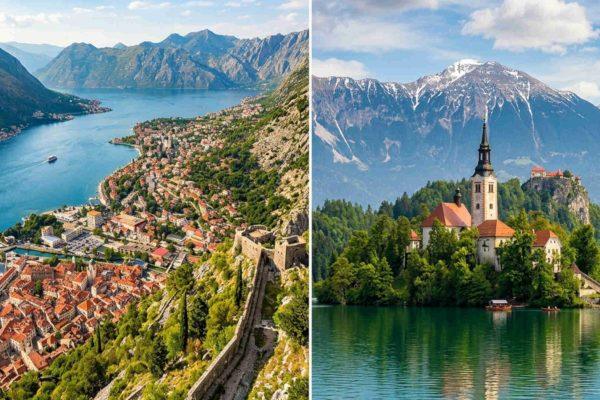
If you dream of Iceland's dramatic landscapes but dread the cold and cost, Slovenia is your answer. This small Central European country packs volcanic peaks, emerald rivers, and alpine lakes into a more accessible package. Lake Bled—with its island church and medieval castle—is the postcard shot, but the Soča Valley offers kayaking and rafting in waters so clear they look unreal. The capital, Ljubljana, feels like a university town with a castle, perfect for slow strolls and café terraces. It's a model for sustainable tourism, balancing nature with human warmth.
Chicago: The Midwest's Architectural Powerhouse
New York's skyline is iconic, but Chicago's is just as impressive—and far more affordable. The Windy City offers world-class museums, deep-dish pizza, and a lakefront that rivals any coastal metropolis. Walk The Loop for free architectural gems, snap a selfie at Millennium Park's Cloud Gate (the Bean), and catch a Cubs game at Wrigley Field. For Latinos, Chicago's vibrant Mexican and Puerto Rican neighborhoods add a familiar flavor. It's a travel dupe that proves you don't need to break the bank for a big-city experience.
Annecy: Venice Without the Crowds
Venice is sinking under the weight of tourism, but Annecy, in the French Alps, offers the same romantic canals and pastel facades without the cruise ship chaos. Nicknamed the "Venice of the Alps," this town sits on Europe's cleanest lake, where you can paddle, swim, or just watch the swans glide by. The medieval Château d'Annecy overlooks the old town, and the Italian influence in the architecture is unmistakable. It's a quieter, cleaner alternative for those who love Venetian charm but not the crowds.
Kotor: Montenegro's Fjord Jewel
Dubrovnik may be the star of the Adriatic, but Kotor in Montenegro is its underrated sibling. This UNESCO World Heritage site sits at the end of a dramatic fjord, surrounded by mountains that plunge into the sea. Walk through the Sea Gate into a labyrinth of cobblestone alleys, visit the Rector's Palace, and hike the city walls for a view that rivals any in Croatia. It's less crowded, more affordable, and just as historic—a true travel dupe for savvy explorers.
Albania: The Mediterranean's Best-Kept Secret
Forget Santorini's whitewashed cliffs and steep prices. Albania's Riviera—from Vlorë to Sarandë—offers turquoise waters, rugged coastlines, and a mix of Ottoman and Italian influences. The capital, Tirana, is a vibrant hub of colorful buildings and buzzing cafés, while Berat and Gjirokastër boast UNESCO-listed old towns. It's still relatively undiscovered, meaning you can enjoy the Mediterranean without the crowds. For Latinos, the warm hospitality and affordable prices make it an easy sell.
Azores: Europe's Hawaii in the Atlantic
Hawaii is a bucket-list destination, but the Azores—a Portuguese archipelago in the middle of the Atlantic—offer similar volcanic landscapes, lush greenery, and whale-watching at a fraction of the cost. São Miguel island is home to the twin lakes of Sete Cidades, while Terceira boasts the dramatic cliffs of Rocha dos Bordões. The islands are a model for sustainable tourism, with geothermal energy and protected nature reserves. It's a paradise for hikers, foodies, and anyone seeking solitude.
Bacalar: México's Lagoon of Seven Colors
Finally, for Latinos looking for a domestic or nearby escape, Bacalar in Quintana Roo, México, is the perfect alternative to the Maldives. The Lagoon of Seven Colors shimmers in shades of turquoise and emerald, with shallow, calm waters ideal for paddleboarding, kayaking, or simply floating. Founded by the Maya, the town also features a 17th-century fort that once guarded against pirates. It's less crowded than Tulum or Cancún, and far more affordable. For a romantic getaway or a family trip, Bacalar delivers the Caribbean dream without the price tag.
As travel evolves, the travel dupe trend is more than a budget hack—it's a shift toward mindful exploration. Whether you're a Latino traveler in the U.S. looking for a weekend escape or a family in México seeking a new beach, these destinations offer authenticity, value, and a chance to leave a lighter footprint. For more on how Latinos are shaping global tourism, check out our guide on top destinations for 2026 and tips for traveling to the 2026 World Cup.