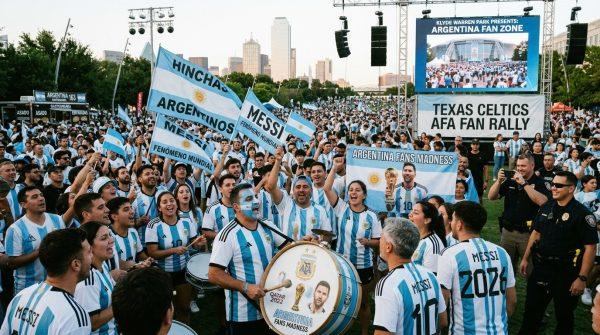
The 2026 World Cup, set to be the largest in history with 48 teams across Canada, México, and the United States, will debut five significant rule changes that promise to reshape how the game is played and officiated. For Latino fans—whether cheering for México, Argentina, or any of the other Latin American nations in the tournament—these updates bring both clarity and new strategic wrinkles.
VAR Expands: Corner Kicks and Second Yellow Cards Now Reviewable
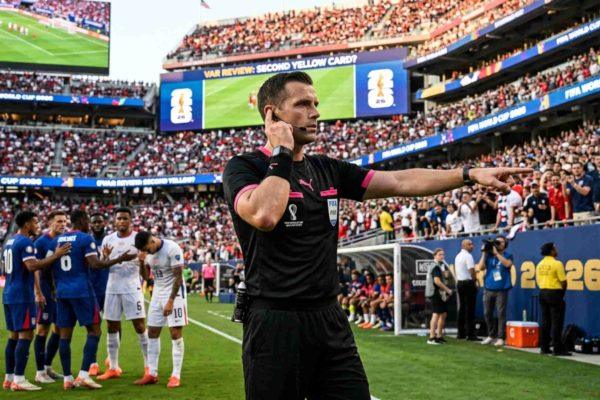
For the first time, referees will be able to review corner kicks using VAR. This change addresses long-standing frustrations where goals scored from questionable corners—often decisive in tight matches—could not be overturned. However, teams must act quickly: much like the NBA's challenge system, if a side doesn't request a review before the ball is back in play, the original call stands, no matter how consequential.
Another major update allows VAR to intervene when a player receives a second yellow card. The system can now assess whether that second booking was justified, though it cannot revisit the first yellow. This is designed to prevent unfair send-offs that can alter the course of a match, a scenario that has haunted many teams in past tournaments.
Time-Wasting Gets a Clock: Goal-Kicks, Throw-Ins, and Substitutions
FIFA is borrowing from tennis and basketball to speed up play. Goal-kicks and throw-ins will have a five-second limit, enforced by a visible countdown clock. Substitutes must exit the pitch within ten seconds. Goalkeepers can no longer use injury stoppages as tactical time-outs, preventing players from gathering at the technical area during what should be a quick pause. These measures aim to keep the ball in play longer and reduce the stalling tactics that have frustrated fans across the Americas.
For Latino audiences accustomed to the passionate, often dramatic flow of Liga MX and other regional leagues, these changes may feel like a shift toward a more disciplined, fast-paced style. But they also raise questions: Will teams from Latin America, known for their tactical cunning, adapt quickly? Or will the new clocks disrupt their rhythm?
Mouth-Covering Ban and Other Controversies
One of the most talked-about rules prohibits players from covering their mouths during on-field conversations. Officials can issue a red card if they deem the gesture confrontational or intended to hide insults. This measure aims to curb abusive language and improve sportsmanship, but it has sparked debate about freedom of expression and the potential for subjective enforcement.
These changes will take effect from the opening match on June 11, 2026, at the Estadio Azteca in Ciudad de México—a fitting venue for a tournament that spans three nations. For Latino fans, the World Cup is more than a sporting event; it's a cultural gathering that connects communities from Buenos Aires to Los Angeles. The new rules will test how teams from the region, from the tricolor to the albiceleste, adapt their strategies under a more transparent and faster-paced system.
As the tournament approaches, fans should also familiarize themselves with stadium regulations that will affect their matchday experience. Meanwhile, the broader implications of these rule changes extend beyond the pitch: they reflect FIFA's push to modernize the game while preserving its integrity. For the Latino community, which has produced some of the sport's most iconic moments and players, this evolution is both exciting and worth watching closely.