As the 2026 FIFA World Cup approaches, fans across the United States, Mexico, and Canada are facing a new reality: what you carry into the stadium matters more than ever. FIFA has unveiled its official code of conduct for the tournament, and it brings a radical shift in fan logistics. Starting June 11, attendees at venues in host cities like Los Angeles, Mexico City, and Toronto will need to leave their traditional backpacks at home and opt for transparent bags instead.
The new rules are designed to streamline security checks and reduce risks, but they also mean rethinking your game-day essentials. For a bicultural Latino audience, this is especially relevant as many fans will travel across borders to support their teams—whether it's El Tri in Mexico or the USMNT in the States. Understanding these regulations is key to avoiding delays or confiscations at the gate.
What You Can and Cannot Bring
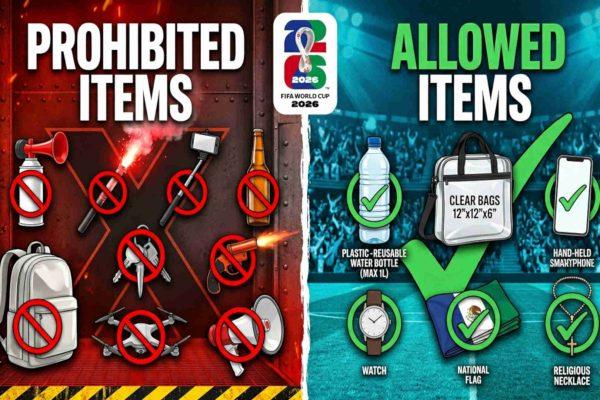
According to the code of conduct, only transparent bags made of materials like PVC or vinyl will be allowed into stadiums. These bags must not exceed 30 centimeters in any dimension. Non-transparent items like purses or wallets are permitted only if they are smaller than 11 x 16.5 centimeters. For liquids, fans can carry empty plastic bottles of up to one liter, but they must be transparent and arrive empty at security checkpoints.
Backpacks, vuvuzelas, and any objects that generate smoke or excessive noise are strictly prohibited. Pyrotechnics and aerosols are also banned. Flags and banners are allowed, but they cannot exceed 2 meters in width and must not carry political or offensive messages. Security personnel at stadiums in host cities across the three nations will have the authority to confiscate any item that interferes with visibility or peace.
Daily items like mobile phones, glasses, and watches face no restrictions, but motorcycle helmets and golf umbrellas will not be allowed inside. For fans attending matches at SoFi Stadium in Los Angeles, these rules are particularly important given the venue's specific security protocols, as detailed in our SoFi Stadium security guide.
Why These Changes Matter for Latino Fans
For many in the Latino community, the World Cup is a deeply cultural event that brings families and friends together. The new restrictions may feel intrusive, but they aim to create a safer environment for everyone. In Mexico, where stadiums are known for their passionate atmosphere, fans will need to adapt quickly. In Canada, where the tournament is a first-time host, the rules will be enforced uniformly.
FIFA's approach treats the three host nations as a single security zone, but the cultural nuances remain. For example, in Mexico City's Estadio Azteca, the ban on vuvuzelas may be a relief to some, while others might miss the traditional noise. In the US, where stadiums like SoFi in Los Angeles already have strict policies, these rules will feel familiar. For those planning to drive to matches, our guide on navigating the parking crunch at SoFi Stadium offers practical tips.
The code of conduct also reminds fans that following these rules is essential to enjoying the global football summit. With the tournament set to be the largest in history, involving 48 teams and matches across three countries, preparation is key. For Latino families, this might mean investing in a clear bag or planning ahead for what to wear and carry.
As the countdown to June 11 continues, fans should check the official FIFA guidelines and their specific venue's policies. Whether you're cheering for Argentina, Brazil, or Mexico, the goal is the same: a safe and memorable World Cup experience. For more on how these rules intersect with broader trends, see our analysis of housing challenges for Latino families in 2026.