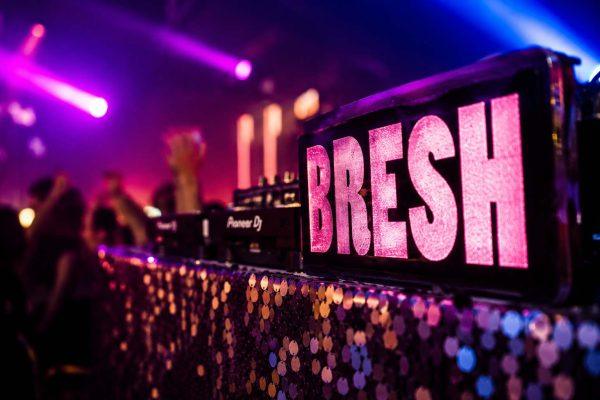
For many, the World Cup was about goals, glory, and national pride. For Bresh, the Argentine-born party brand, it became the launchpad for its most ambitious campaign to date. The company reports that more than 40,000 people attended its 17 events across the United States, Mexico, and Canada during the Football Celebration Tour, which followed the tournament's rhythm from city to city.
This wasn't just a series of parties; it was a strategic move that leveraged the World Cup's massive gatherings of fans. Instead of offering a one-size-fits-all experience, Bresh tailored each event to the specific nationalities and cultures of the supporters expected in each host city. The result: its strongest performance ever in established U.S. markets and a successful debut in six new cities.
Following the Fans, Not Just the Ball
The core idea was simple: adapt the party to the people. By analyzing which national teams were playing in a given market, Bresh could anticipate the crowd's composition and adjust everything from music and production to promotion and guest appearances. A match between, say, Mexico and Germany in Houston would create a different vibe than a Brazil-Argentina clash in Miami, and Bresh aimed to reflect that.
This approach was a natural fit for a brand that originated in Buenos Aires in 2016 and has built its identity on Latin music and culture while expanding globally. The World Cup provided a unique opportunity to connect with a diverse, passionate audience that was already in a celebratory mood.
“We didn't want to just throw a party; we wanted to create a space where fans could feel at home, no matter where they were from,” said a Bresh spokesperson. “The World Cup gave us the perfect backdrop to do that.”
More Than a Party: A Market Entry Strategy
The tour's impact extends beyond the immediate numbers. For Bresh, the World Cup served as a real-world test for entering new American markets. Instead of launching cold in an unfamiliar city, the brand used a major cultural moment to introduce itself to thousands of potential fans at once.
This model is now central to Bresh's U.S. expansion strategy: identify moments that naturally bring communities together, customize the experience for those attendees, and use the event as a gateway to establish a longer-term presence. The company sees this as a blueprint for future growth, turning major sporting events into springboards for brand building.
The tour's success also highlights how major sporting events create opportunities beyond the stadium. Host cities temporarily become melting pots of international visitors who share a common language and a reason to celebrate. For entertainment companies, this is a golden opportunity to reach a concentrated, engaged audience without being directly tied to the matches themselves.
While Bresh didn't disclose individual attendance figures for each stop, the average of roughly 2,350 attendees per event underscores the scale of the operation. The company's claim of its best-ever results in established U.S. markets suggests that the strategy of following the fans paid off handsomely.
As the World Cup fades into memory, Bresh is left with more than just memories. It has a proven playbook for expansion, a deeper understanding of its audience, and a record-breaking campaign to build on. For a party that started in a Buenos Aires park, the journey through North America's World Cup cities was a bold step into the future.