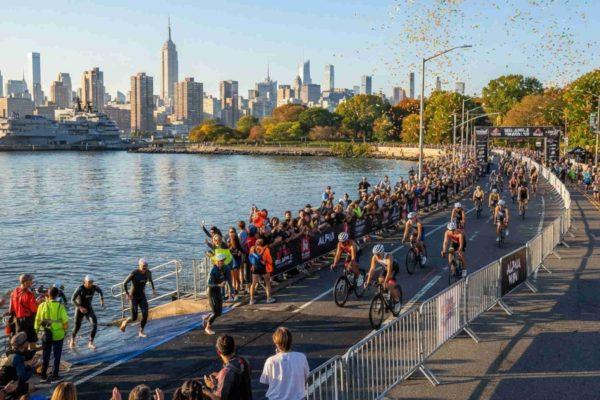
After a long hiatus, New York City's beloved triathlon is making a comeback. The event, now rebranded as the Big Apple Triathlon, is set to take over downtown Manhattan on October 10, 2026. With over 2,000 athletes expected, the race will feature both sprint and Olympic distances, bringing back the iconic Hudson River swim and a triumphant finish in Central Park.
The return comes after multiple cancellations and logistical headaches that plagued previous editions. Organizers have chosen an autumn date to dodge the summer heat and, more importantly, to address long-standing concerns about water quality in the Hudson. The new operator, Alpha Win, is working closely with the Department of Environmental Protection to ensure the river meets strict safety standards, putting to rest the doubts that once cast a shadow over the event.
A Course That Celebrates the City
The Big Apple Triathlon is designed to showcase the best of New York. Athletes will dive into the Hudson for a downstream swim, then hop on their bikes for a fast ride along the West Side Highway, and finally run through the streets to the iconic Central Park finish line. It's a route that mixes urban grit with scenic beauty, offering participants a unique way to experience the city.
For the Latino community, this event is more than just a race. It's a chance to see athletes from all backgrounds, including many from Latin American countries, compete on a global stage. The organizers have made inclusivity a priority, adding relay divisions, aquabike options, and dedicated support for adaptive athletes. This ensures that the triathlon is not just for elite competitors but for everyone who wants to challenge themselves.
The choice of October is strategic. Not only does it offer milder weather, but it also avoids the peak summer season when the Hudson's water quality can be more variable. By partnering with environmental agencies, Alpha Win is signaling that they take the health of both athletes and the river seriously. This is a crucial step in rebuilding trust with the community and ensuring the event's long-term success.
New York has a rich history of hosting major sporting events, and the return of the triathlon is a testament to the city's resilience. For years, fans have missed the energy and excitement of watching athletes push their limits along the waterfront. The Big Apple Triathlon aims to reignite that passion and establish itself as a staple on the global endurance calendar.
As the city gears up for this monumental event, there's a sense of anticipation among athletes and spectators alike. The triathlon is not just a race; it's a celebration of determination, community, and the unbreakable spirit of New York. For Latinos who call this city home, it's also a reminder of the diverse cultures that make up the fabric of the Big Apple.
With the 2026 FIFA World Cup also on the horizon, New York is positioning itself as a hub for international sports. The triathlon adds another layer to that narrative, drawing visitors from around the world and showcasing the city's ability to host events of any scale. It's an exciting time for sports fans, and the Big Apple Triathlon is set to be a highlight of the year.
For those looking to get involved, whether as a participant or a volunteer, the Big Apple Triathlon promises an unforgettable experience. The organizers are committed to making the event accessible and enjoyable for all, with a focus on safety and sustainability. As the countdown to October 2026 begins, the city is ready to welcome back one of its most cherished athletic traditions.