The 2026 FIFA World Cup bracket has delivered a dramatic split. On one side, a cluster of European powerhouses—France, Spain, Portugal—are crammed into a single, unforgiving quadrant. On the other, reigning champions Argentina anchor a route that, on paper, appears far more navigable. For Latino fans across the Americas, this structural imbalance raises both hope and skepticism.
The Upper Bracket: Europe's Quadrant of Death
The top half of the draw has become a graveyard for pre-tournament favorites. Germany's shock elimination at the hands of Paraguay in Boston—a result that sent shockwaves through the football world—cleared what would have been a classic round-of-16 clash with France. But the intensity hasn't diminished. Spain and Portugal now loom as potential quarterfinal opponents, with the United States also lurking in this sector, hoping home-field advantage can carry them deep into July.
Analytical models from outlets like Opta's supercomputer still favor France to emerge from this maze, but the path is brutal. Every match in this quadrant carries the weight of a final. The margin for error is razor-thin, and roster depth will be tested like never before.
Argentina's Smoother Road
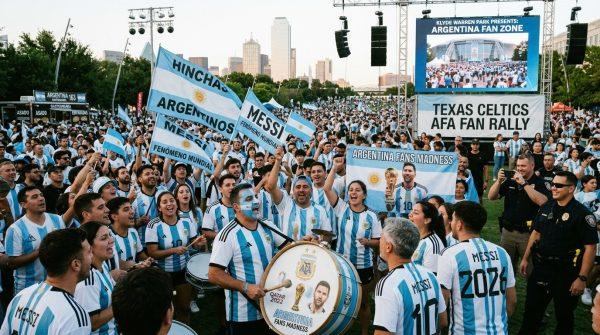
On the opposite side, Lionel Scaloni's Argentina sidestepped the chaos. By securing a round-of-16 date with Cape Verde, the Albiceleste avoided early encounters with Uruguay or Portugal—both of whom slipped into the upper bracket after late group-stage drama. That means no Messi vs. Ronaldo knockout chapter, but it also means a more sustainable path: a potential quarterfinal against Switzerland, Algeria, Colombia, or Ghana, followed by a semifinal against the winner of the Mexico-Brazil corridor.
As Messi himself noted, Argentina cannot afford complacency. But the bracket has handed them a gift: time to build rhythm, rest key players, and avoid the physical toll that the European giants will endure.
Mexico vs. England, Brazil vs. Argentina?
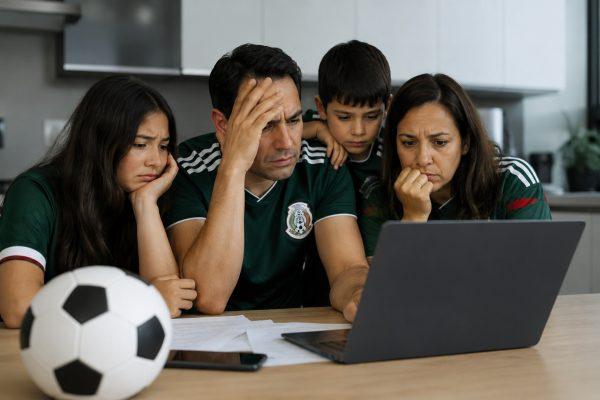
The lower bracket also delivers a mouthwatering commercial and cultural clash: Mexico against England in the round of 16. For the Mexican national team, this is a chance to prove themselves on home soil against one of the world's most recognizable sides. The winner would then face Brazil in the quarterfinals—a matchup that would electrify stadiums from Guadalajara to São Paulo.
Brazil, after a nervy escape against Japan in Houston, will need to stabilize their tactical lines. If they advance, a semifinal against Argentina—the Superclásico de las Américas—could become the defining match of the tournament. Broadcast projections and marketing indices are already salivating at the prospect.
What the Bracket Tells Us
History warns us that paper advantages dissolve on the pitch. Germany's early exit is a cautionary tale for any team that looks too far ahead. But the structural asymmetry of this bracket is undeniable. The upper half is a meat grinder; the lower half offers a clearer runway for Latin American giants.
For Argentina, the opportunity is real. For Mexico and Brazil, the path is lined with both risk and reward. And for fans across the Americas, this World Cup feels different—not just because of the host nations, but because the bracket itself has written a story where Latino teams hold the pen.
As the tournament unfolds, the stakes for Latin American sides have never been higher. Whether they seize the moment or fall to the pressure will define this World Cup's legacy.