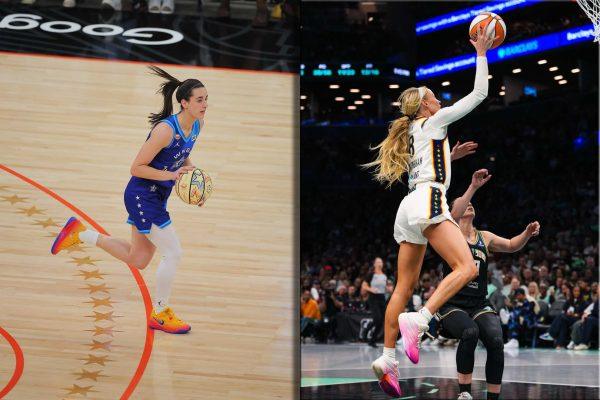
The WNBA's surge in popularity has brought a troubling side effect: a rise in stalking incidents targeting its biggest stars. Players like Caitlin Clark and Sophie Cunningham have faced alarming situations that underscore the vulnerability of female athletes in the spotlight.
Clark, the Indiana Fever guard, endured a harrowing ordeal when a 55-year-old man, Michael Lewis, sent her hundreds of explicit messages and threats, claiming they were in a relationship. He was arrested at an Indianapolis hotel and later sentenced to two and a half years in prison in July. The case drew widespread attention, but it's far from isolated.
Other players, including Paige Bueckers, Syd Colson, and Kiki Rice, have also dealt with stalkers. Cunningham, Clark's teammate, has spoken about the challenges of being a public figure, and her experiences reflect a pattern that many female athletes face.
Parasocial relationships and the line between fandom and obsession
Psychologists explain that parasocial relationships—where fans feel a one-sided connection with athletes—are common and usually harmless. But when boundaries blur, unstable individuals can cross into dangerous territory. Experts note that stalkers often bring pre-existing mental health issues or emotional baggage, misinterpreting social media access as an invitation for personal contact.
The WNBA has responded by strengthening its security framework. The league operates a 24/7 Global Security Operations Center to investigate threats and assess their credibility. The updated Collective Bargaining Agreement mandates minimum security standards for every team, including threat assessment, additional security personnel, arena access bans, and coordination with local law enforcement.
Despite these measures, players remain committed to connecting with fans. Many express gratitude for the supportive community that makes game days special. The league aims to maintain that welcoming atmosphere while ensuring safety never takes a backseat.
The challenges facing the WNBA mirror broader issues in celebrity culture and digital exposure. As the league grows globally, protecting players remains a top priority. For fans, it's a reminder that behind the jerseys are real people deserving of respect and safety.