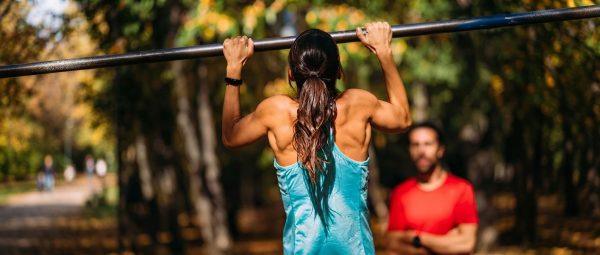
If you've walked through any New York City borough lately, you've probably seen it: a woman gripping a scaffolding bar or a subway railing, pulling herself up with controlled precision. It's not a stunt—it's a movement. From Brooklyn to Washington Heights, women are reclaiming public space as their personal gym, and the pull-up has become their signature move.
This isn't just about fitness. For many, it's a direct response to the long-held myth that women can't do unassisted pull-ups. Exercise physiologists point out that consistent training on fixed bars engages nearly every muscle in the back and arms, and the results are visible in the growing number of women completing flawless reps on poles, scaffolding, and even subway cars.
From viral videos to neighborhood gatherings
What started as a few individuals posting their workouts has exploded into a full-blown urban calisthenics scene. Figures like Paige Bullard, Yami Nevarez, Rose Joseph, and Karen Modesto have become familiar names, their videos racking up views and inspiring others to try. The collective online following now exceeds 150,000, and the energy is spilling into real life.
In parks across the city, women-led groups host free weekly sessions, welcoming beginners and veterans alike. These gatherings are about more than reps—they're about building a community where strength is celebrated, not questioned. As one participant put it, "Every time I see another woman doing a pull-up, I feel like we're rewriting the rules together."
The movement has also caught the attention of fitness brands and trainers. Specialized programs now include preparatory exercises like dumbbell rows and banded assisted pull-ups, helping newcomers build the foundation they need. Experts stress the importance of proper technique and rest to avoid injury, but the message is clear: this is a discipline for everyone.
More than a workout
For many women, the pull-up is a symbol of autonomy. It's a way to take up space in a city that often feels like it belongs to someone else. The trend has spread beyond New York, with women in other cities adopting the practice, but the energy here remains unmatched.
This movement also intersects with broader conversations about women in sports. Just as Latinas are leading the charge in the Women's Pro Baseball League, these athletes are carving out their own space in the fitness world. And with events like all-women festivals gaining traction, the message is clear: women are done waiting for permission.
For those looking to join, trainers recommend starting with assisted variations and building up gradually. "The pull-up is a journey," says one coach. "It's not about being strong from day one—it's about getting stronger every day."
As the trend continues to grow, it's reshaping how New Yorkers think about public space and physical strength. The scaffolding that once signaled construction now represents possibility. The subway rail that was just a handhold is now a challenge to be conquered. And the women doing it? They're not just working out—they're making a statement.
Whether you're a seasoned athlete or just curious, the message is simple: the city is your gym, and the pull-up is your move. So next time you see a woman hoisting herself up on a bar, don't just watch—ask her for tips. You might just find yourself joining the movement.