As the World Cup kicks off across the United States, Mexico, and Canada, a quiet crisis is unfolding behind the scenes: visa restrictions are creating last-minute chaos for several national teams and their supporters. For players and staff from countries like Haiti, Iran, Ivory Coast, and Senegal, the dream of competing on soccer’s biggest stage is being threatened not by injuries or tactics, but by bureaucratic hurdles.
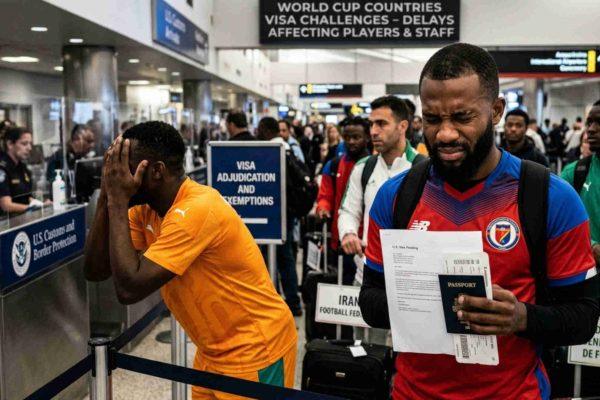
The most emblematic case is that of Haitian midfielder Woodensky Pierre. The only member of his national team still residing in Haiti during qualifying, Pierre faced weeks of uncertainty as his U.S. visa application stalled. He finally landed in Miami just in time to witness his team’s emphatic victory over New Zealand, but the ordeal exposed the fragile logistics that teams from visa-restricted nations must navigate. For Haiti, a country already grappling with political instability and economic hardship, the visa process feels like an additional penalty.
A Pattern of Delays Across Nations
Haiti is far from alone. South Africa’s sports minister publicly condemned the situation as “shameful and unfair” after key members of the coaching staff—including doctors and security personnel—were left waiting for approvals while most players secured their documents. Iran, meanwhile, was forced to relocate its entire base camp to Mexican territory after U.S. visa delays made it impossible to prepare on American soil. The Iranian delegation argued that the delays represented an unacceptable competitive disadvantage, a sentiment echoed by other federations.
These visa challenges are not just administrative annoyances; they directly impact team preparation. Training camps, friendly matches, and even medical support are disrupted when staff members cannot travel. For smaller federations with limited resources, the cost and complexity of navigating U.S. immigration rules can be overwhelming. As one federation official put it, “We are competing against the clock as much as against our opponents.”
Fans Left Behind
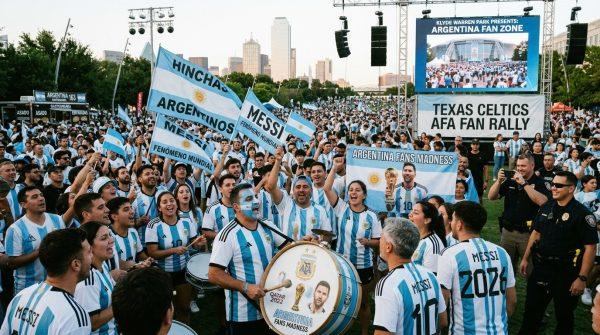
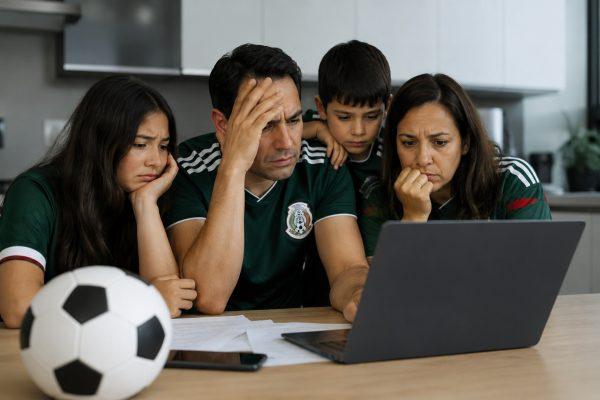
The restrictions extend far beyond the players. For fans from countries like Haiti, where U.S. visa approval rates are among the lowest in the world, attending a World Cup match is nearly impossible—even for those with the financial means to travel. While teams can request exemptions for athletes and coaches, ordinary citizens face a system that often denies them entry without clear explanation. This creates a painful irony: the World Cup is meant to unite the world, yet it excludes many of the very people who live and breathe the sport.
Haiti’s head coach, Sébastien Migné, is now focused on integrating Pierre into the squad for upcoming matches against top-tier opponents. But the uncertainty over how many visa applications remain pending keeps federations on edge. “We hope bureaucratic complications will not continue to be the main obstacle in this edition of the FIFA World Cup,” Migné said, reflecting a sentiment shared by many.
This visa crisis is a reminder that soccer, for all its global reach, is still subject to the politics of borders. As the tournament unfolds, the stories of players like Woodensky Pierre and the fans who cannot join them will linger—a quiet testament to the barriers that remain, even in a sport that prides itself on bringing people together.
For more on the tournament's challenges, read about extreme heat threats and teenagers ready to challenge Messi and Mbappé.