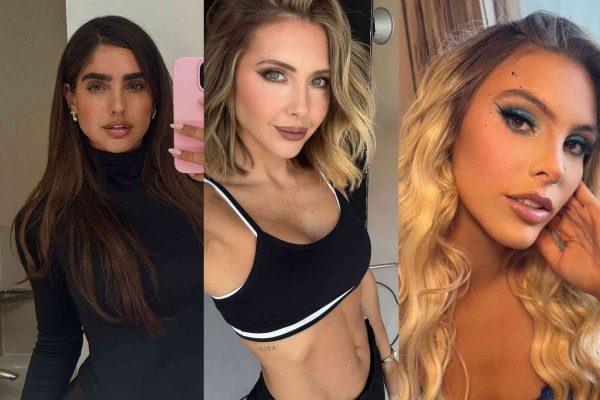
It's no secret that Venezuelan creators have become a dominant force on platforms like TikTok and Instagram, but what's happening now goes beyond viral dances and comedy skits. Figures such as Lele Pons, Isabella Ladera, Sascha Barboza, and Valeria Sandoval are building what can only be called digital empires—sustainable businesses rooted in personal branding, strategic partnerships, and a deep connection to their Latino identity.
These women have moved from being social media personalities to full-fledged entrepreneurs. They manage their careers like CEOs, turning every post, video, and collaboration into a revenue stream. In doing so, they're not just entertaining millions—they're mapping out a roadmap for the next generation of Latino creators who want to turn passion into a profession.
From Caracas to Content Capital
Lele Pons, who rose to fame on Vine with her irreverent humor, now commands a multi-platform presence that includes music, acting, and brand deals. Her journey from Caracas to Los Angeles mirrors that of many Venezuelan creators who see the US market as the ultimate stage. But unlike earlier waves of Latino talent, these influencers are bypassing traditional gatekeepers. They build their audiences directly, then leverage that reach into partnerships with major labels, fashion houses, and tech companies.
Isabella Ladera, known for her lifestyle and fashion content, has turned her Instagram feed into a curated brand that resonates with bicultural Latinas. She often blends references to her Venezuelan upbringing with the fast-paced aesthetics of Miami and New York. Similarly, Sascha Barboza has carved out a niche in fitness, inspiring thousands with workout routines that feel accessible and culturally relevant. Her success shows that the digital economy rewards authenticity—especially when it comes from a place of pride in one's roots.
This phenomenon isn't limited to the biggest names. Across the US, Venezuelan creators are finding ways to monetize their content while staying true to their heritage. They collaborate with brands that understand the Latino market, from beauty companies to food chains, and they often use their platforms to highlight issues affecting the community. For example, the Houston's Venezuelan Diaspora Rallies to Aid Earthquake Victims story shows how influencers can mobilize their followers for causes beyond entertainment.
Identity as a Business Asset
What sets these creators apart is their ability to navigate two worlds. They speak Spanglish naturally, reference both reggaetón and American pop culture, and celebrate their Latino heritage without making it a gimmick. This duality is a strength. In a media landscape that often stereotypes Latinos, these influencers offer a nuanced, modern representation. They show that being Venezuelan—or Latino—is not a monolith. It's a rich tapestry of experiences, and they're weaving it into every brand deal and content series.
Evaluna Montaner, who comes from a famous musical family, has built her own digital presence that blends music, faith, and family life. Her content feels intimate and aspirational at the same time, proving that influence can be both personal and profitable. Meanwhile, creators like Valeria Sandoval focus on humor and relatability, tapping into the everyday experiences of young Latinos in the US.
This wave of Venezuelan talent is also reshaping how brands approach the Latino market. Instead of generic campaigns, companies are now seeking out creators who can speak authentically to specific communities. The result is a more diverse and vibrant digital ecosystem where Latino voices are not just heard but valued. As Khaby Lame's silent empire shows, the rules of digital fame are being rewritten—and Venezuelan creators are writing their own chapters.
The Future Is Digital and Latino
The sustained success of these influencers confirms that the Latino community's role in content creation is not a passing trend. It's a structural shift in how entertainment is produced and consumed. As platforms evolve, Venezuelan creators continue to set the pace, launching new projects and forming alliances that extend their reach. They are not just following trends—they are creating them.
For young Latinos watching from Caracas, Miami, or Los Angeles, these influencers offer more than entertainment. They offer a blueprint. They prove that with creativity, hustle, and a strong sense of identity, it's possible to build something lasting. Whether it's through fitness, fashion, or comedy, the message is clear: your roots are not a limitation—they are your greatest asset.
As these digital empires grow, they also open doors for others. The business empires built by Latino stars like Thalía and Salma Hayek show that this path has precedent. But today's influencers are doing it faster, with fewer intermediaries, and with a direct line to their audience. That's the power of the digital age—and Venezuelan creators are leading the charge.