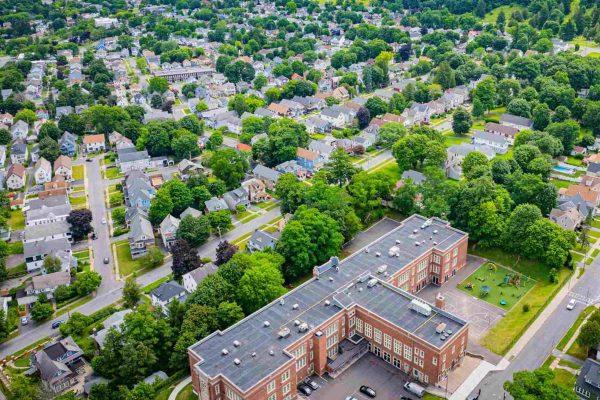
In a state where the dream of homeownership often feels out of reach, Utica stands as a curious anomaly. Nestled in the Mohawk Valley, about four hours north of New York City, this small city offers single-family homes for as little as $87,000. Rents start around $900 a month, and the cost of living sits roughly 30 percent below the state average. On paper, it should be a magnet for anyone priced out of the Big Apple or the Hudson Valley.
Yet the numbers tell a different story. Since the 2020 census, Utica has lost more than 4 percent of its population, shrinking at an annual rate of about 0.74 percent. Even with Zillow putting the average home value at $213,412—well under the national average of $370,000—and five-bedroom properties hitting the market for under $90,000, people are still leaving. The low price of entry simply isn't enough to keep residents rooted.
The Rust Belt's long shadow
Utica's struggles are deeply tied to the deindustrialization that reshaped much of the American Northeast. Once a thriving manufacturing hub, the city saw major employers like General Electric and Lockheed Martin shutter their local operations decades ago. Those closures didn't just cost jobs; they eroded the tax base and left a void that has been hard to fill.
Today, the poverty rate in Utica hovers above 27 percent—nearly double the national average. Unemployment fluctuates between 4.5 and 6 percent, and the median individual income sits at just $30,785. For many locals, the math doesn't work: even with cheap housing, the lack of well-paying jobs and limited career advancement make staying a tough sell.
Real estate professionals in the area acknowledge the paradox. While Utica's homes are among the most affordable in the northeastern United States, convincing buyers to make a permanent move remains a formidable challenge. Out-of-town investors occasionally snap up low-cost properties to convert into rentals, but local families often cite the absence of economic opportunity as the main reason they pack up and leave.
This isn't just a story about housing prices. It's a reminder that a house is more than a roof—it's a foundation for a life. Without jobs, schools, and community investment, even the cheapest home can feel like a trap rather than a bargain.
For bicultural Latinos, the Utica story may resonate on a personal level. Many families across the diaspora have roots in towns that once thrived on industry, only to see those communities hollow out. The promise of affordable housing is real, but so is the need for economic revitalization that creates sustainable futures.
As Utica continues to grapple with its identity, it serves as a striking example of how cheap real estate alone cannot sustain a thriving community. Until broader economic renewal takes hold, the city's population decline may well continue, no matter how low the listing prices go.
For those watching from afar, Utica offers a lesson in the limits of affordability. It's a place where the American Dream of homeownership is within reach, yet the dream of a stable, prosperous life remains elusive. And that, perhaps, is the most sobering reality of all.