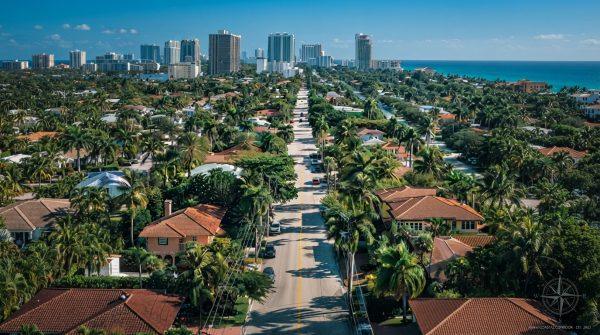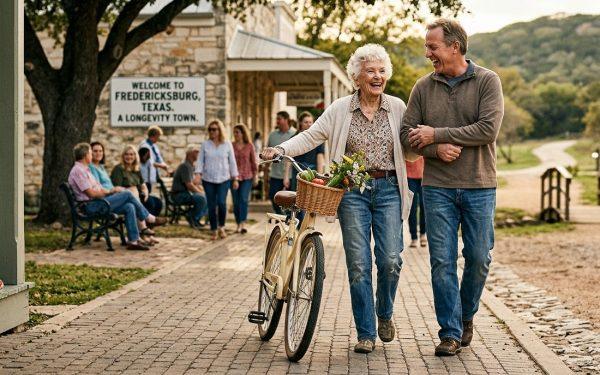
In the heart of the Texas Hill Country and along the Gulf Coast, a quiet revolution is taking shape—one where residents genuinely believe they can live to 100. A recent study by Cherry Data Signals, which surveyed over 3,000 people on their daily habits and the impact of their local environment on health, has placed three Texas communities among the top wellness hotspots in the nation. Fredericksburg landed at number 14, Wimberley at 30, and the coastal town of Port Aransas at 75.
What Makes These Towns Different?
Unlike sprawling metropolises like Houston or Dallas, these towns offer an urban structure that encourages movement. Fredericksburg’s historic downtown, with its walkable streets and local shops, invites residents to leave the car behind. Wimberley, nestled in the Hill Country, boasts trails and a tight-knit community that naturally builds social bonds—a key factor in cardiovascular health. Port Aransas, with its relaxed Gulf rhythm, provides an outdoor environment that reduces daily anxiety and makes physical activity part of everyday life.
This is not just about fresh air. The study underscores how the environment directly influences both mental and physical health. In these towns, the geography itself becomes a prevention tool. As one local put it, “Living here, you don’t have to try to be healthy—it just happens.”
A Divided Outlook on Longevity
But optimism is not universal. The data reveals a split: 52% of Texans surveyed believe their current daily actions are enough to prolong their lives. The remaining 48% admit they still need to make changes to ensure a healthy old age. This gap highlights the tension between residential space and individual decisions. Even in the best-designed towns, personal habits matter.
For Latino families considering a move, these towns offer more than just longevity. They represent a lifestyle shift—one that prioritizes community, outdoor living, and slower pace. As the Texas housing market heats up, places like Fredericksburg and Wimberley are becoming attractive options for those seeking a balance between work and well-being.
Beyond the Numbers
The study’s findings are part of a broader conversation about wellness in the U.S. South. While Texas has long been known for its big cities and economic growth, these smaller towns are proving that quality of life can be just as important. For those who can afford it, the move to a Texas longevity town might be the best investment in their future health.
Yet, as the report notes, the environment alone isn’t enough. The 48% who feel they fall short remind us that longevity is a personal journey. Whether it’s walking more, eating better, or simply slowing down, the choice remains in our hands. And for now, these three towns are showing the way.