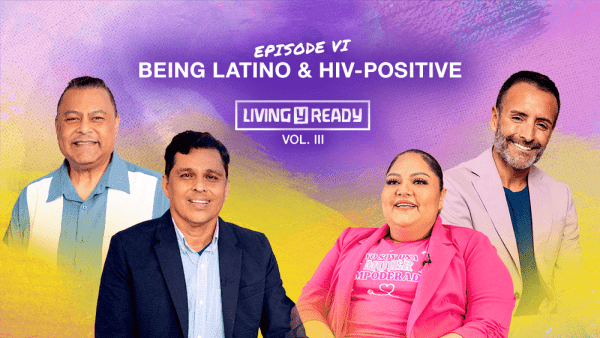
In many Latino households, conversations about sex and sexuality remain shrouded in silence, often influenced by religious and cultural norms. This silence can extend to crucial topics like sexually transmitted infections, leaving young people to navigate these realities without guidance. The latest volume of the documentary series Living y Ready brings forward the powerful, personal stories of three Latinos living with HIV, exploring how they confront stigma and rebuild their lives on their own terms.
Beyond the Stereotype: A Mother's Revelation
For Marilynn Ramos, a mother of five, her diagnosis initially clashed with everything she thought she knew about HIV. Growing up in a community where such topics were rarely discussed openly, she had internalized the belief that HIV was a condition only affecting those engaged in "risky" behavior or street life. "Now that I see it, a lot of women [who] are positive don't have multiple partners, are not on drugs, are not on the streets," Marilynn reflects. Her journey post-diagnosis has been one of re-education and empowerment, actively working to dismantle these harmful stereotypes within her own family and wider community.
Her story underscores a critical gap in health education that affects many across the Americas. While navigating personal health is a universal challenge, specific cultural contexts can create unique barriers. For instance, just as some face hurdles in discussing sexual health, others encounter complexities in planning for long-term financial security in a new country.
Information as Liberation: From Fear to Advocacy
Daniel Garza, raised in a Catholic family between Texas and México, came of age with minimal understanding of HIV. He recalls that for his generation, the iconic talk show El Show de Cristina was a rare source of information—but one that often equated HIV with death. "In those shows they were talking about [how] HIV = MUERTE," Daniel says, explaining his family's fearful reaction. "So when my family found out about my status they immediately thought: se va a morir."
Twenty-five years later, Daniel is a vibrant advocate. He channels his experience into spreading accurate information about safe sex and HIV prevention, aiming to protect younger generations of queer Latinos. He points to the communication barriers that persist: "Between parents and young people, there are barriers and blockages … and if parents aren't going to talk about [sex and sexuality], then it's up to us advocates to be able to put that information out." This mission for education and openness mirrors the transformative power of visibility seen in other Latino cultural spheres, such as when major artists use their platform for connection, similar to Karol G sharing intimate behind-the-scenes moments with her fans.
Confronting a Double Stigma
For Jose Ramos, the stigma was twofold: being gay and living with HIV. Within his family's expression of Latino religiosity, his sexuality was met with fear and rejection. "When I came out to my brothers, many of them didn't talk to me," Jose shares. "They were afraid that I was going to take advantage of their kids... There's this thought that [gay people] abuse children—or at least back then." This isolation was a profound challenge, severing bonds with nieces and nephews.
Yet, Jose found strength in his heritage. He sees his resilience as a superpower inherited from his mother, who rebuilt her life in a new country. By toughing through the challenges of stigma and misunderstanding, he reclaimed his voice and his Latinidad. His journey highlights the ongoing fight for acceptance and the personal cost of prejudice, a struggle for authenticity that resonates beyond health, into all aspects of identity and community belonging.
The full episode of Living y Ready, Vol. III offers an intimate look into these three lives. Their stories are not just about HIV; they are about dismantling shame, demanding comprehensive sex education, and celebrating the enduring strength found in Latino identity. In a media landscape often focused on spectacle, these narratives provide essential, human-depth reporting on issues that matter to our communities. As we celebrate cultural milestones, like artists being honored for their evolution, we must also create space for these vital conversations about health, family, and survival.