The 2026 FIFA World Cup is not just a showcase of athletic brilliance—it's a gathering of the world's most lucrative athletes. Over the past year, the top ten earners at the tournament have collectively pulled in an eye-popping $924 million, a figure that blends jaw-dropping salaries, performance bonuses, and global endorsement deals. These players are more than just soccer stars; they are full-fledged business empires, driving the economics of the beautiful game.
Leading the pack is Cristiano Ronaldo, who at 41 continues to defy age and logic. The Portuguese forward earns an estimated $295 million annually, a sum that has pushed his career earnings past the historic $2.1 billion mark. His move to the Saudi League has only amplified his commercial reach, making him the highest-paid player in World Cup history.
The Podium of Titans and Rising Stars
Behind Ronaldo, Lionel Messi holds steady with $140 million per year, split between his Inter Miami salary and a portfolio of global sponsorships. The Argentine legend remains a magnet for brands, proving that his influence extends far beyond the pitch. Kylian Mbappé rounds out the top three, becoming the only other player besides Ronaldo and Messi to hit nine-figure earnings in a single year. The French star's move to Real Madrid has only solidified his status as one of the most marketable faces in sports.
But what's truly striking is the emergence of youth. Lamine Yamal, the 18-year-old Spanish sensation, already earns nearly $43 million annually, placing him among the world's highest-earning athletes. Jude Bellingham, at 22, is both a midfield maestro and a commercial juggernaut, pulling in $44 million. These young stars are not just the future of soccer—they are its present economic engine.
Other notable names include Erling Haaland ($80 million), Vinícius Jr. ($60 million), Mohamed Salah ($55 million), Sadio Mané ($54 million), and Riyad Mahrez ($53 million). Each of these players brings a unique blend of talent and marketability, reinforcing the global nature of the sport.
The Leagues That Dominate
The financial ecosystem of soccer is increasingly concentrated in a few powerful leagues. La Liga, with clubs like Real Madrid and Barcelona, contributes several names to this list, while the Saudi League has emerged as a serious player, luring stars like Ronaldo, Mané, and Mahrez with lucrative contracts. This shift is reshaping the competitive landscape, as the Middle East becomes a new hub for top-tier talent and commercial growth.
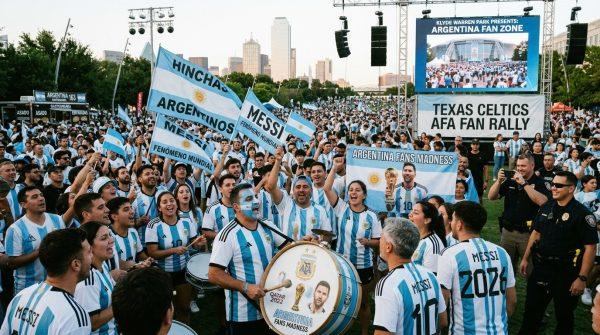
For Latino fans, this World Cup is especially resonant. The tournament will be co-hosted by México, the United States, and Canada, bringing the action closer to home. As fútbol remains a lifeline of tradition and togetherness for many Latino families, seeing stars like Messi and Vinícius Jr. compete on North American soil adds a layer of cultural pride. The style and skill of these players continue to captivate audiences across the Americas.
As the 2026 World Cup approaches, one thing is clear: these athletes arrive not just as competitors, but as the most valuable celebrities in sports. Every goal, every assist, every celebration carries an economic weight that keeps shattering records. The beautiful game has never been more lucrative—or more global.