Before wellness influencers discovered bone broth, your abuela was already simmering a pot of it on the stove. From Mexico to Colombia to the Dominican Republic, this humble preparation has been a cornerstone of home cooking for generations. Now, as the rest of the world catches on, Latinos in the United States are rediscovering a recipe that is both a connection to their roots and a powerhouse of nutrition.
Bone broth is not just a soup; it's a concentrated extract of collagen, minerals, and amino acids drawn from bones, marrow, and connective tissue. Latin grandmothers knew this instinctively. They would save bones from the week's meals, roast them, and let them simmer for hours—sometimes overnight—to create a broth that was both comforting and restorative. This tradition, passed down through generations, is now backed by modern science, which confirms its benefits for skin elasticity, joint health, and gut function.
Why bone broth is more than a trend
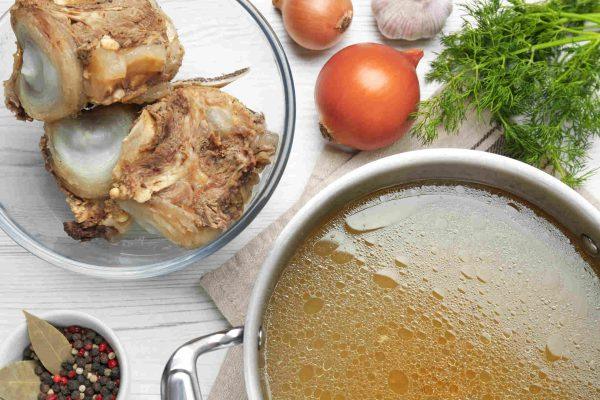
For many Latinos, the return to bone broth is not about following a fad. It's about reclaiming a piece of cultural heritage. In cities like Los Angeles, Chicago, and Miami, families are dusting off old recipes and adapting them to busy schedules. The process is simple but requires patience: select bones with marrow—beef, chicken, or turkey—roast them to deepen the flavor, then simmer them in water with a splash of apple cider vinegar to help extract the nutrients. Add onions, garlic, celery, and carrots for aroma and taste, and you have a broth that is both delicious and functional.
The benefits go beyond skin deep. Collagen, the main protein in bone broth, supports skin firmness and hydration, but it also plays a role in muscle repair and joint health. The amino acids in the broth, such as glycine and proline, are essential for gut health and reducing inflammation. This is why many Latin grandmothers used bone broth as a remedy for everything from colds to fatigue. They may not have known the scientific terms, but they understood the healing power of a warm, nourishing bowl of broth.
In the United States, the Latino community is embracing this tradition with a modern twist. Some are adding spices like turmeric or ginger for extra anti-inflammatory benefits, while others are using it as a base for soups, stews, or even sipping it on its own. The versatility of bone broth makes it easy to incorporate into daily life, whether you're making a quick lunch or a slow-cooked Sunday meal.
But bone broth is more than just a health food. It's a symbol of resourcefulness and love. It's what your grandmother made when you were sick, what she served on cold evenings, and what she taught you to make with whatever bones were available. In a world of quick fixes and processed foods, bone broth reminds us of the value of patience and tradition.
As the wellness industry continues to promote bone broth as a superfood, it's worth remembering that this is not a new discovery. It's an ancient practice that has been part of Latin American culture for centuries. By bringing it back into our kitchens, we honor our ancestors and nourish our bodies in a way that is both sustainable and meaningful.
So the next time you see a jar of bone broth at a trendy café, think of your abuela. And maybe, just maybe, give her a call and ask for her recipe. It might be the best wellness advice you ever receive.