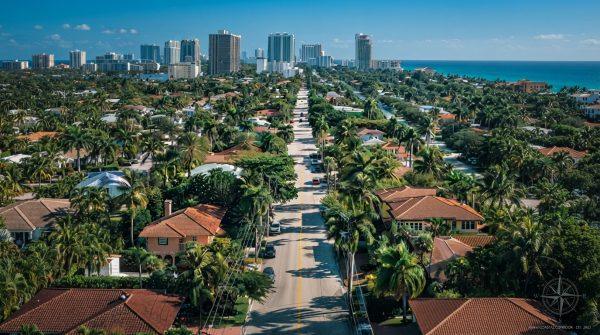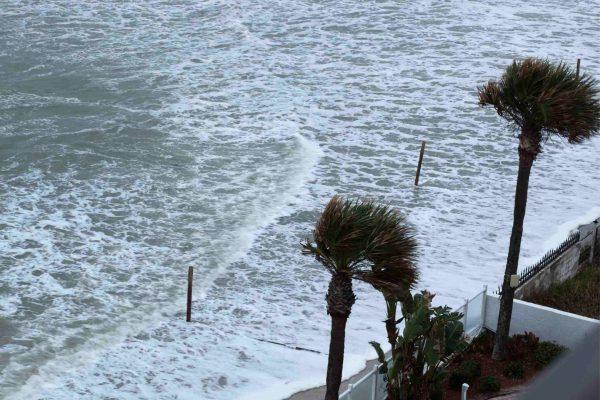
This past weekend, South Florida got a salty reminder that the ocean is creeping in. A combination of exceptionally high king tides and weeks of relentless rain left streets, sidewalks, and even some living rooms underwater from Fort Lauderdale to Miami Beach. In Broward and Miami-Dade counties, the water didn't just kiss the shoreline—it pushed past sea walls and pooled on major roads, turning morning commutes into impromptu kayak routes.
In Fort Lauderdale, police closed a two-mile stretch of A1A, the iconic coastal highway, after the tide made it impassable. Over in Miami Beach and along the Hollywood Beach Broadwalk, residents and visitors waded through ankle-deep saltwater that had swept over pedestrian paths and bike lanes. The scene was equal parts surreal and familiar for locals who've watched these floods become a seasonal ritual.
Record-breaking water levels
Tide gauges along the coast registered water levels nearly two feet above normal during Sunday's peak morning tide. At Port Everglades, the reading was the highest since the station was installed in 2018, surpassing even the surge from Hurricane Nicole in 2022. Near Virginia Key, measurements showed moderate to severe coastal flooding. While the water receded somewhat during the afternoon low tide, forecasters warn that the danger isn't over—each new high tide cycle brings the risk of more flooding.
Meteorologists at the National Weather Service in Miami have classified this event as significantly above average. They point to a clear culprit: sea level rise driven by climate change. Data shows that sea levels along Florida's coast have risen about eight inches in the past three decades, and projections suggest another foot by mid-century. That means what used to be a rare nuisance is becoming a regular part of life here.
More king tides on the horizon
If you thought this was the worst of it, think again. Weather experts say three more king tide cycles are expected between October and December 2026, with the most intense push likely hitting between late October and mid-November. That's when the gravitational pull of the moon and sun aligns with higher-than-normal sea levels, and with the baseline already elevated, the impacts could be even more severe.
For now, local emergency managers have activated pumping stations and deployed temporary barriers along the most vulnerable low-lying streets. Property owners and small business operators are stacking sandbags and sealing doors, trying to keep the saltwater from ruining floors and foundations. But these are stopgap measures. Climate scientists stress that the real fix requires long-term investment in resilient infrastructure—elevated roads, better drainage, and natural buffers like mangroves and dunes.
This isn't just a Florida problem, of course. Coastal communities across Latin America and the Caribbean are facing similar pressures, from Cartagena to Veracruz. But for the millions of people who call South Florida home—many of them part of the broader Latino diaspora—the rising tides are a daily reminder that climate change isn't a distant threat. It's here, and it's flooding our streets.
As the water recedes, the questions remain: How much more can we adapt? And what will it take to protect the places we love? For now, the answer seems to be more pumps, more barriers, and a lot of patience. But as the king tides keep coming, the conversation is shifting from if we'll adapt to how fast we can.