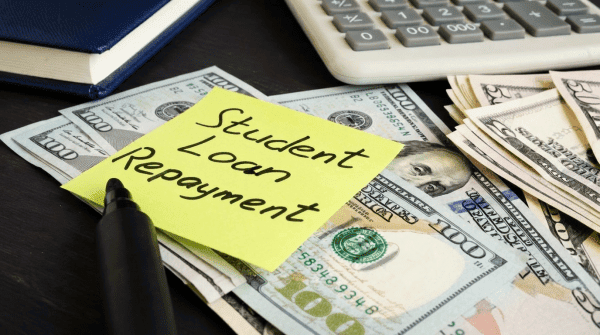
For millions of borrowers across the United States, student loan repayment remains a significant financial challenge. But with the right approach, you can turn that burden into a manageable part of your budget. Whether you're a recent graduate in Los Angeles or a professional in Miami balancing family expenses, understanding your options is key to long-term stability.
Repayment Plans That Fit Your Income
Income-driven repayment (IDR) plans are among the most flexible tools offered by the federal government. These plans adjust your monthly payment based on your discretionary income, which can be a lifesaver if your earnings fluctuate. While IDR plans may extend your repayment term up to 25 years, they also offer the possibility of loan forgiveness on the remaining balance after that period. This is especially valuable for those in fields like teaching, social work, or the arts, where income can be unpredictable.
For Latino borrowers, who often face unique economic pressures—such as supporting extended family or navigating the gig economy—IDR plans provide a safety net. Setting up automatic payments can further reduce your interest rate by about 0.25%, a small adjustment that adds up over time.
Refinancing and Consolidation: Proceed with Caution
Refinancing private loans can lower your interest rate if you have a strong credit history. However, experts warn that refinancing federal loans means losing access to benefits like IDR plans and forgiveness programs. Before making a move, compare the long-term savings against the protections you'd give up.
Consolidating multiple federal loans into a single monthly payment simplifies your finances. But be aware that consolidation may reset your progress toward forgiveness, so it's not always the best choice. For those with private loans, adding a co-signer with excellent credit can help secure better terms.
Negotiate and Seek Help When Needed
If you're facing temporary hardship, don't wait until you miss a payment. Contact your lender directly to discuss options like forbearance or deferment. Many institutions are willing to work with borrowers who communicate early. Additionally, certified financial advisors can help design a personalized plan that aligns with your savings goals.
Monitoring your credit history is also crucial. Positive payment behavior boosts your score, which can open doors to mortgages or small business loans down the line. For Latino entrepreneurs, maintaining good credit is a stepping stone to launching ventures that strengthen our communities.
Looking Ahead
As we move through 2026, the financial landscape continues to evolve. The Department of Education and private lenders are updating their programs, so staying informed is essential. Whether you're a teacher in Chicago or a nurse in Houston, taking advantage of these tools can lead to financial freedom.
Remember, managing student debt is not just about paying off loans—it's about building a foundation for your future. With the right strategies, you can reduce stress and focus on what matters: your career, your family, and your dreams.