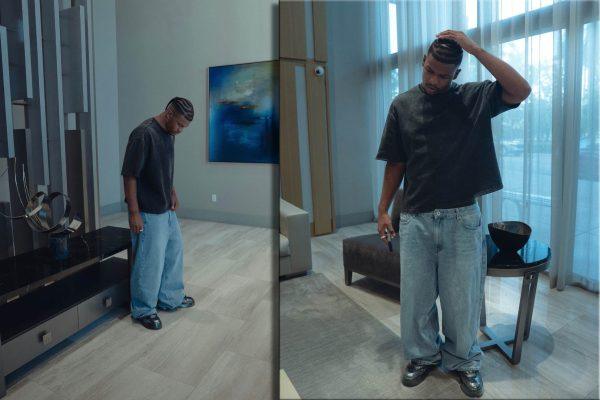
Former University of Colorado football player Shilo Sanders walked into a Denver federal courtroom this week, not for a game but for a legal battle that could reshape his financial future. The stakes: an $11.89 million judgment from a 2022 Texas civil case, which he hopes to erase through bankruptcy. But the first day of testimony made clear that the path to a clean slate is anything but straightforward.
The debt traces back to a September 2015 incident at Focus Learning Academy in Dallas, when Sanders was a 15-year-old student. John Darjean, a school security officer, was allegedly injured during a confrontation, leading to a default judgment against Sanders years later. Now, in bankruptcy court, the question is whether that judgment can be discharged—or if it falls under an exception for debts caused by "willful and malicious injury."
Witnesses paint a violent picture
On the opening day, Darjean's legal team played recorded depositions and called witnesses, including former school administrators, to reconstruct the altercation. According to their testimony, the trouble began when Darjean tried to confiscate Sanders' phone. What followed, they said, was a sudden and aggressive response: an elbow to the throat, then punches to the face, leaving Darjean with injuries severe enough to require hospital care.
"This was not a schoolyard scuffle," one witness stated in the deposition. "It was an unprovoked attack." The testimony aimed to establish that Sanders acted with intent to harm, which would make the debt non-dischargeable under federal bankruptcy law.
Defense argues self-defense
Sanders' attorneys countered with a different narrative. They argued that Darjean used excessive force against a minor, and that Sanders was merely defending himself. The defense pointed to limited surveillance footage and questioned the reliability of witnesses' memories, suggesting that the officer was the aggressor.
"The evidence will show that my client, a 15-year-old at the time, was overpowered and acted in self-defense," Sanders' lead attorney said in opening remarks. "This was not malicious; it was survival."
The legal crux is whether the injury was "willful and malicious"—a standard that, if met, would prevent the debt from being wiped out. Judge Michael Romero, presiding over the case, will have to weigh the credibility of both sides as more testimony and video evidence are presented in the coming days.
For Sanders, who played college football and has been in the public eye as the son of Pro Football Hall of Famer Deion Sanders, the trial is a personal and financial reckoning. The outcome could leave him permanently liable for the millions or grant him a fresh start. As the proceedings continue, the broader Latino community—many of whom follow sports and legal dramas alike—will be watching to see how justice is served.
This case also resonates beyond the courtroom, touching on themes of accountability and second chances. In a similar vein, California families can erase up to $8,000 in electric debt through a different kind of relief, showing how debt discharge works in various contexts. And while Sanders' legal fight is unique, it echoes the struggles of many who face overwhelming financial judgments.
As the trial unfolds, the judge's decision will hinge on the intent behind the 2015 incident. If the court finds that Sanders acted willfully and maliciously, the debt stands. If not, he could walk away with his financial slate wiped clean. Either way, the case serves as a reminder that actions have consequences, and the law is often a complex arena where past mistakes meet future possibilities.