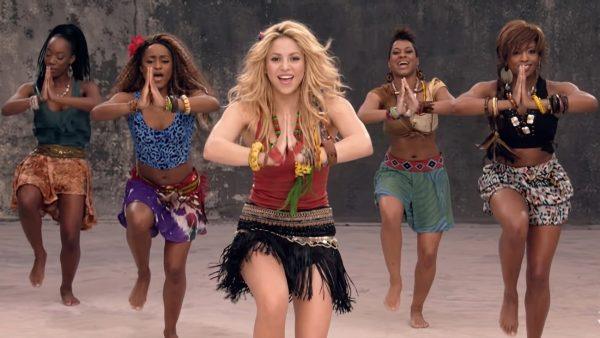
On May 2, 2026, the sands of Copacabana in Rio de Janeiro will transform into a stage for one of the most anticipated musical events of the year. Shakira, the Colombian icon who has redefined global pop, is set to deliver a free concert that goes far beyond entertainment. In a recent column for the Brazilian newspaper O Globo, she revealed that the performance is a tribute to the strength of Latina women, particularly those who lead households across the Americas.
More Than a Concert: A Statement on Female Leadership
Shakira’s decision to accept the invitation from Rio’s mayor’s office was deeply personal. She was moved by data showing that over 40 million households in Brazil are headed by women—a figure she described as leaving her “speechless.” This statistic became the driving force behind her visit, as she seeks to honor those who support their families with unwavering determination. The concert, which will feature collaborations with local artists like Anitta, is part of her Las mujeres ya no lloran tour, a phrase that has become a rallying cry for empowerment.
“It is not a cry for vengeance, nor a declaration of victimization,” Shakira wrote in her column. “True transformation lies in the ability to move forward, manage adversity, and take the reins of the family destiny with dignity.” This message resonates deeply with her audience, as hundreds of women have shared stories of overcoming obstacles that reflect this new identity: a woman who makes decisions, leads, and assumes the role of provider without asking for permission.
Copacabana as a Symbolic Stage
The choice of Copacabana is not merely logistical. Shakira imbues the location with deep symbolic weight, describing it as an “altar capable of speaking for itself.” In an era marked by uncertainty and algorithmic manipulation, she proposes that Rio de Janeiro become a space where the public can rediscover a clear and human vision of female reality. The concert will include costume changes and guest artists, but its core purpose is to serve as a collective mirror. “I hope this show can be the night in which these women recognize themselves,” she affirmed.
This event also highlights the cultural connections across Latin America. Shakira’s collaboration with Anitta, a Brazilian powerhouse, exemplifies the fluid exchange between countries like Colombia and Brazil. For more on their musical partnership, check out our coverage of Shakira and Anitta's 'Choka Choka', which blends tribal futurism with Latin pop.
Beyond Victimization: A New Narrative for Latina Women
Shakira’s central message is forceful: crying alone is no longer enough. She proposes a paradigm shift away from the traditional model of the silent and submissive woman that dominated cultural representation for decades. Instead, she celebrates those who lead projects, raise children, and rebuild lives far from the media spotlight. This approach has resonated strongly, with fans across the diaspora embracing the idea of resilience without victimhood.
The concert also underscores the broader role of Latina women in shaping culture and society. From music to comedy, Latina voices are redefining narratives. For instance, Ashley Padilla's SNL Record and the 'Padilla Pause' showcases how Latina comedians are breaking barriers in entertainment. Similarly, Shakira’s upcoming collaboration with Zara Larsson on Midnight Sun: Girls Trip further amplifies female solidarity across genres, as detailed in this article.
As the countdown to May 2 begins, Shakira’s free concert in Copacabana promises to be more than a musical spectacle. It is a celebration of the real strength that carries Latin America forward—the women who, every day, turn resilience into action.