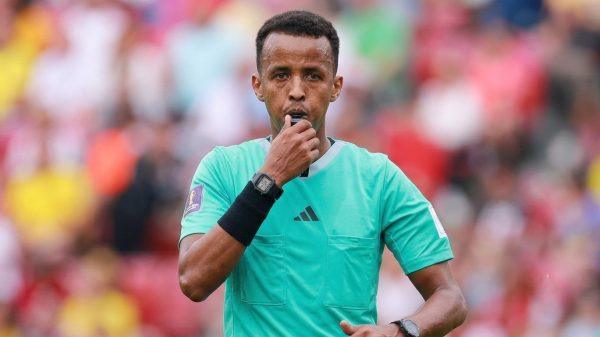
In a bold move that has resonated across the sporting world, the African Youth Sports Academy in Seattle returned twenty complimentary tickets to the 2026 FIFA World Cup in June 2026. The decision came as a direct protest against the United States government's denial of a visa to Omar Artan, the first Somali referee ever selected to officiate at a World Cup. The academy's action underscores a growing rift between national security policies and the universal values that global sports are meant to uphold.
Omar Artan, a FIFA-accredited referee from Somalia, was barred from entering the United States for the tournament, with authorities citing unspecified ties to terrorist organizations—allegations that were never backed by public evidence. Analysts see this as part of broader immigration restrictions that have stirred controversy in host cities like Seattle, where the local community has reacted with outrage. FIFA has since paid Artan's full salary, but the damage to the tournament's reputation for inclusivity is already done.
A Protest Rooted in Values
Ali Abdulla, founder of the African Youth Sports Academy, coordinated the ticket return after discussions with parents and coaches who felt that sports should champion justice and ethics above spectacle. "This is about teaching our youth that integrity matters more than any game," Abdulla said in a statement. The academy's athletes, aged thirteen to sixteen, expressed sadness at the treatment of Artan, whom they saw as a symbol of diversity and achievement. The protest sets a complex precedent: never before has a FIFA World Cup seen such a direct administrative veto against a designated official, challenging the autonomy that the global football body demands from host nations.
The emotional toll on the young athletes was significant. They perceived the visa denial as a betrayal of the inclusion principles that football promotes worldwide. The academy's staff has used the incident as a teachable moment, emphasizing personal ethics in real-world conflicts. Meanwhile, Mayor Katie Wilson's office and tournament coordinators quickly reassigned the returned tickets to the Somali Health Board, a group dedicated to supporting youth football in Seattle. This ensured that the resources still benefited the local community, even as the protest sent a clear message.
Reactions and Repercussions
Back in Mogadishu, Omar Artan received a hero's welcome upon his forced return. Local authorities and citizens celebrated his professional achievements, turning the visa denial into a symbol of resilience against restrictive border policies. In Seattle, activists continue to demand transparency from U.S. security agencies regarding the criteria used to deny visas to internationally accredited participants. The incident has also raised concerns among international delegations about potential future denials during the tournament's decisive phases in various host cities.
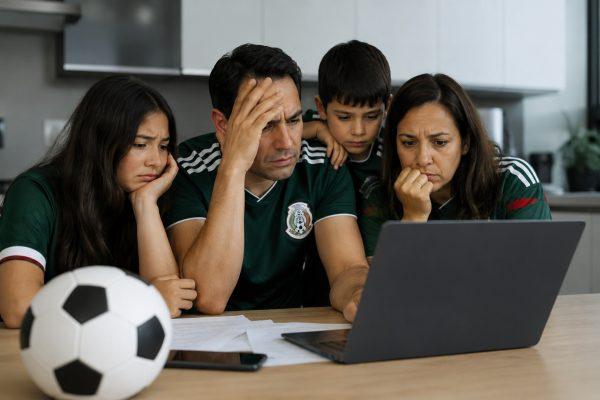
The handling of this conflict reflects the growing tension between U.S. immigration policy, governed by State Department guidelines, and the universal character that professional football must maintain. Experts argue that the entry denial for an official referee challenges the sporting autonomy that FIFA has historically required from all host nations. The visibility of this case forces organizers to reconsider diplomatic protocols, as arbitration integrity and neutrality remain non-negotiable for the ethical success of the championship. For many Latino families, fútbol is a lifeline of tradition and togetherness, and this incident resonates deeply with communities that understand the power of sports to bridge divides.
The academy's founder reaffirmed his ethical commitment, stating that solidarity with Artan prevails over any sporting spectacle. The protest has become a symbol of peaceful resistance against the rigidity of the current immigration system. Community leaders hope this debate will promote significant changes in visa protocols for future World Cup editions. The legacy of this protest will endure as a reminder of the tension between national security priorities and the universal equity values that sports must protect.