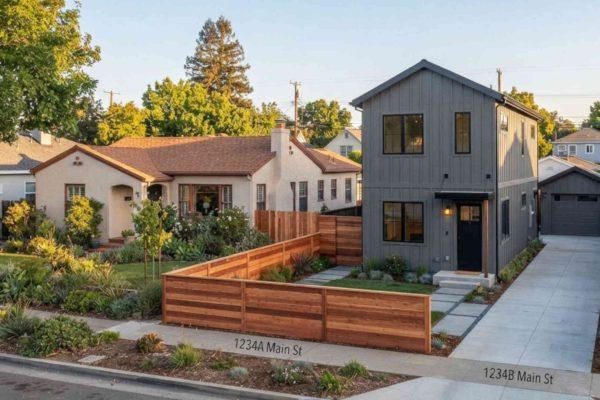
San Jose has just set a precedent that could reshape how Latino families and other Californians think about buying a home. For the first time in the state, an Accessory Dwelling Unit—commonly known as an ADU or backyard home—was sold as a completely independent property, separate from the main house on the same lot. This isn't just a real estate transaction; it's a signal that more affordable, flexible housing options are finally becoming a reality in one of the nation's most expensive markets.
The sale was made possible by Assembly Bill 1033 (AB 1033), signed into law by Governor Gavin Newsom in October 2023. Before this legislation, selling an ADU separately from the primary residence was nearly impossible, except in rare cases involving nonprofit organizations. Now, cities can adopt their own ordinances to allow these sales under condominium rules, giving buyers a chance to own a home with its own entrance, no homeowners' association fees, and a sense of privacy that many traditional apartments lack.
What This Means for Latino Homebuyers
For many in the Latino community, homeownership has long been a cornerstone of building wealth and stability. But with median home prices in California hovering well above $800,000, that dream has become increasingly out of reach. ADUs offer a more attainable entry point—often priced significantly lower than single-family homes—and this new ability to buy them separately could be a game-changer. Imagine a young couple in Los Angeles or a multigenerational family in San Diego being able to purchase a small, well-designed unit on a lot where another family already lives, without the burden of shared walls or condo association fees.
AlphaX RE Capital, the real estate firm behind this pioneering sale, is already planning to market more units this fall and build hundreds of similar homes in the coming years. The company's success underscores a growing demand for housing that feels like a traditional home rather than a cramped apartment in a large complex. As one buyer noted, the privacy and independence of an ADU are major draws—especially for those who value having their own space, a garden, or a place to host family gatherings.
Other California cities are taking notice. San Diego, San Francisco, Santa Monica, Santa Cruz, and Berkeley are all moving forward with regulations to replicate this model. For Latino families in these areas, this could mean more opportunities to buy a home without stretching budgets to the breaking point. It's a shift that aligns with the broader push for housing equity, as seen in California's $11.25 billion housing plan, which aims to create more affordable options for communities of color.
Of course, challenges remain. Not all lots are suitable for ADUs, and zoning laws can still be restrictive. But the success in San Jose proves that with the right legal framework, these units can become a viable path to ownership. For Latino buyers who have been priced out of traditional markets, this is a door that's finally opening—and one that could lead to a more secure future.
As the trend spreads, it's worth keeping an eye on how this affects neighborhoods. Some worry about increased density or parking issues, but proponents argue that well-designed ADUs can blend seamlessly into existing communities. For now, the focus is on the potential: more homes, more choices, and a chance for more people to put down roots in the places they love.