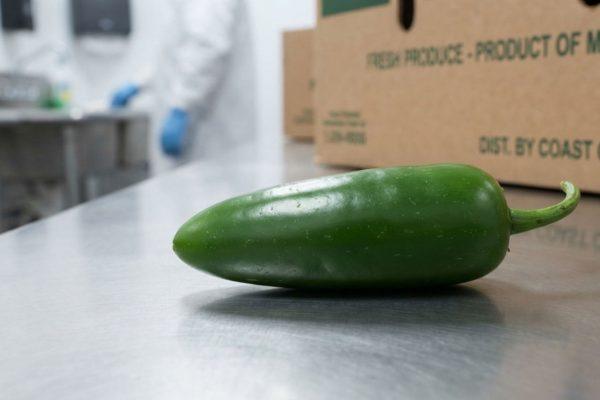
A widespread salmonella outbreak has put food safety back in the spotlight, with federal health officials confirming that contaminated jalapeños from Mexico are the source. The Centers for Disease Control and Prevention (CDC) reports at least 431 people have fallen ill across 32 states after consuming the tainted peppers, which were distributed by Coast Citrus Distributors and sold through restaurants and supermarkets nationwide.
The outbreak has triggered recalls of prepared salsas, pico de gallo, and guacamoles that contained the affected jalapeños. Major chains including Whole Foods, Walmart, and Trader Joe's have pulled specific batches with certain expiration dates from their shelves, while Taylor Fresh Foods has recalled a range of dressings and salsas sold under familiar brand names. These swift actions aim to prevent further spread, but health authorities remain on edge as they trace the supply chain to identify all potentially contaminated products.
Why the real number of cases could be higher
Public health experts caution that the official tally likely underestimates the true scope of the outbreak. Reporting delays are common in foodborne illness investigations—people may not seek medical care immediately, and lab confirmation can take weeks. As a result, the CDC expects the case count to rise as more reports come in. While dozens of those affected have required hospitalization due to the severity of their symptoms, no deaths have been reported so far.
For the Latino community, this outbreak hits close to home. Jalapeños are a staple in kitchens across México, the U.S. Southwest, and beyond, used in everything from homemade salsas to restaurant dishes. The recall serves as a reminder of the importance of food safety, even with fresh produce that is central to our culinary traditions.
Symptoms and what consumers should do
Salmonella infections typically cause stomach cramps, fever, and diarrhea that can last for several days. Symptoms usually appear within six hours to six days after consuming contaminated food. Vulnerable populations—young children, the elderly, and those with weakened immune systems—are at higher risk for severe illness.
Health officials urge consumers to check their refrigerators and pantries for any recalled products, which include salsas, guacamoles, and dressings that may contain the tainted jalapeños. If you have any of these items, do not eat them; dispose of them immediately or return them to the store for a refund. Restaurants and retailers are also being advised to stop serving or selling any products that may be affected.
This outbreak is part of a broader pattern of foodborne illness challenges facing the U.S., as multiple outbreaks have been reported in recent months. The CDC and the Food and Drug Administration are working with Mexican authorities to trace the contamination back to its source, but the investigation is ongoing.
For now, the best defense is vigilance. Check labels, follow recall notices, and when in doubt, throw it out. The cooperation of consumers and the transparency of food companies will be key to overcoming this health crisis and restoring confidence in the fresh foods that grace our tables.