For generations, narratives of LGBTQ+ love within Latino communities have often been silenced or obscured. Yet, these stories have persisted—written in secret letters, celebrated in stolen moments, and built through quiet, daily resilience. While mainstream media gradually expands its representation, real-life couples have long been crafting legacies of love, art, and activism.
Contemporary Couples Building Public Legacies
Today, many queer Latino couples blend their personal lives with profound professional and cultural contributions. Their visibility itself is a powerful statement in communities where traditional norms often hold sway.
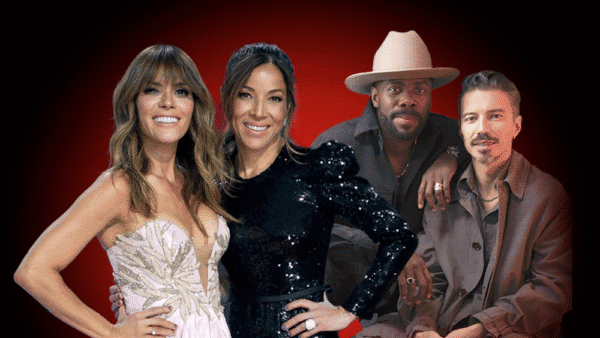
Colman Domingo and Raúl Domingo
Their story begins with a chance meeting in a Berkeley, California, parking lot and a fateful reconnection via Craigslist. Oscar-nominated actor Colman Domingo, known for his powerful role in Sing Sing, married Raúl Domingo, a Guatemalan native with a background in fashion design for houses like Max Mara. Together, they founded Edith Productions, a company named for Colman's mother, dedicated to elevating diverse narratives. Their partnership exemplifies how personal synergy can fuel artistic enterprise and advocacy.
Joy Huerta and Diana Atri
Joy Huerta, of the Grammy-winning Mexican duo Jesse & Joy, shares her life with wife Diana Atri. After initially keeping her relationship private, Joy openly embraced her love for Diana, and the couple now raises two children. They host the podcast Desaprendiendo, where they explore unlearning societal expectations—a conversation that resonates deeply within many Latino families navigating evolving understandings of identity and acceptance.
Kany García and Jocelyn Troche
Puerto Rican singer-songwriter Kany García found love with her fitness coach, Jocelyn Troche, a professional with a background in psychology. What began as training sessions in San Juan evolved into a deep connection, culminating in a 2019 wedding. García is vocal about their relationship, often sharing their life on social media, normalizing queer love for her extensive fanbase across Latin America and the diaspora.
Tini Stoessel and Young Miko: The Speculated Connection
While not confirmed, the rumored relationship between Argentinian pop star Tini Stoessel and openly lesbian Puerto Rican rapper Young Miko captivates fans. Their frequent collaborations and affectionate social media interactions spark conversation about visibility and the nuances of coming out—or not—on one's own terms, especially under the intense spotlight of Latin pop stardom. This speculation unfolds alongside other major moments in Latin music, like Rosalía being named Billboard Latin Woman of the Year.
Pioneers Who Defied Their Eras
Long before modern movements, queer love persisted, often requiring ingenious defiance.
The legendary Italian artist Michelangelo harbored a profound infatuation for the young Roman nobleman Tommaso dei Cavalieri, writing him passionate love poems and creating drawings in his honor—a testament to same-sex desire that transcended the rigid confines of his time.
In a more recent but no less historic pairing, Mexican painter Frida Kahlo and Franco-American performer Josephine Baker shared a fiery, transatlantic romance. Both were radical artists and unapologetic individuals, their bond symbolizing a rebellion against every convention imposed upon them.
Perhaps one of the most daring acts of love occurred in Galicia, Spain, in 1901. Marcela Gracia Ibeas and Elisa Sánchez Loriga orchestrated the first recorded same-sex marriage in Spain by having Elisa present as a man named Mario. When the deception was discovered, they were forced to flee, but their union was never legally dissolved—a quiet, monumental victory.
These stories, past and present, are threads in a rich tapestry that proves queer Latino love is not a new trend but a constant, vibrant force. They remind us that the fight for full equality and acceptance continues, both in the public sphere and within our own families. This journey toward authenticity is deeply personal, much like the considerations involved in navigating retirement planning for Latino families in the US—both require navigating complex systems with an eye toward a secure and dignified future.
Ultimately, these couples show us that love, in all its forms, is revolutionary. It forges families, inspires art, and challenges history. It is, most importantly, a truth worth celebrating loudly and proudly.