When Spain lifted the 2026 FIFA World Cup trophy, the celebration wasn't just on the pitch. For New York State, the real victory came in the form of $228 million in local and state tax revenue generated by hosting eight matches at MetLife Stadium. Governor Kathy Hochul confirmed the figures, validating the region's massive investment in the global tournament.
MetLife Stadium, temporarily rebranded as New York/New Jersey Stadium for the competition, drew more than 560,000 fans through its gates. The economic ripple effect was staggering: direct visitor spending during the group stage alone hit $1.2 billion, pushing the total economic impact across the tri-state area past $2.1 billion. And those numbers are expected to climb once final accounting from the knockout rounds is completed.
Hospitality, Transit, and Small Business Boom
New York City's hotel industry saw unprecedented demand between June 8 and July 4, generating roughly $1.07 billion in room revenue—a 20.6% increase compared to the same period the previous year. Nearly 120,000 shuttle bus passes were sold for fans commuting to and from the venue, showcasing the scale of transit infrastructure needed to support the influx.
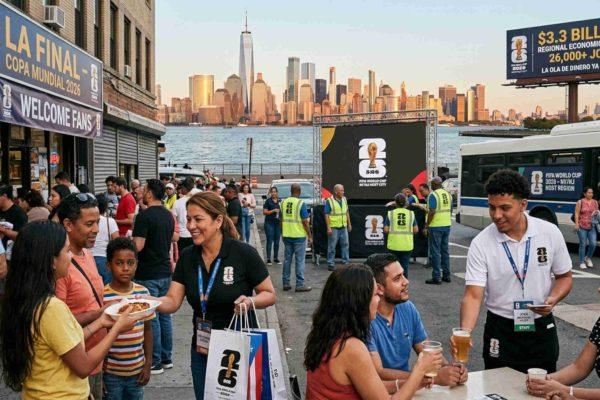
The host committee's 'Welcome World' Rewards Program directed over 10,000 customer visits to local small businesses, cultural institutions, and merchant districts, ensuring that community venues directly benefited from the surge. This kind of targeted support is crucial for neighborhoods that often get overlooked during mega-events.
For Latino families in the region, the economic boost may translate into more resources for essentials. Programs like Back-to-School 2026: How Latino Families Can Get Free Supplies and State Aid could see increased funding from the tax windfall, helping communities prepare for the upcoming school year.
Long-Term Investments and Sporting Legacy
Beyond the immediate financial gains, the tournament has spurred long-term community investments. Infrastructure improvements around MetLife Stadium, including upgraded transit links and public spaces, are expected to serve the region for decades. The success of the event also positions New York as a premier destination for future global entertainment, from concerts to other major sporting events.
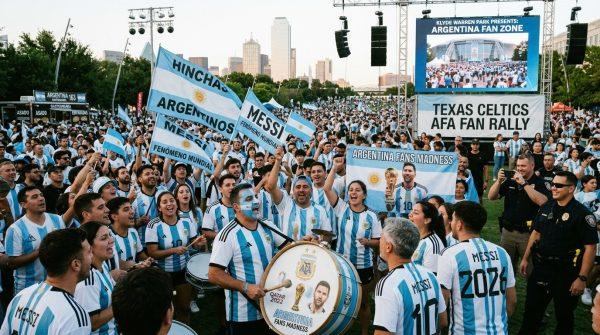
While the World Cup brought global attention, it also highlighted the diverse fan base that makes the tri-state area unique. Latino fans from across the Americas—whether supporting Argentina, México, or the U.S. team—filled the stands, creating a vibrant mosaic of cultures. The tournament's economic impact underscores how major events can unite communities while driving tangible benefits.
As the dust settles, the numbers tell a clear story: New York's investment in the 2026 World Cup paid off. For Latino residents and business owners, the legacy of those eight matches will be felt in stronger local economies and improved infrastructure for years to come.