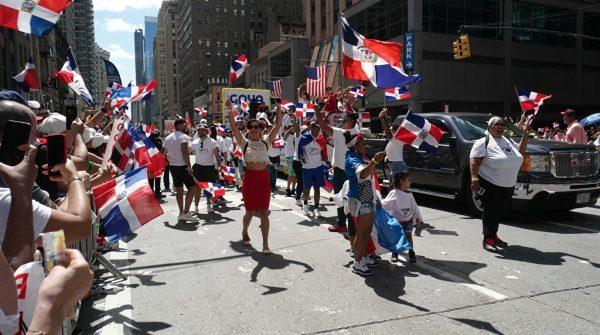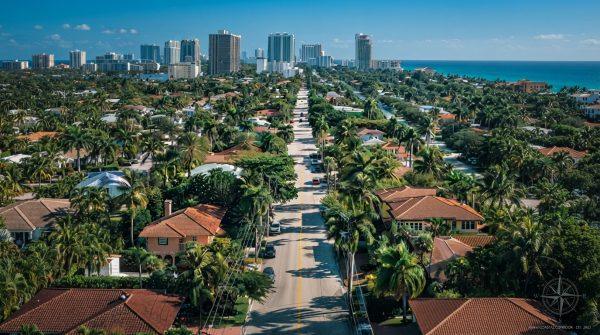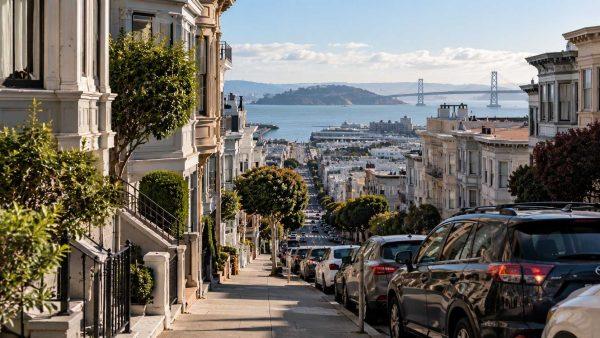
For renters in New York, the summer of 2026 brings a sliver of relief: the city is no longer the most competitive rental market in the United States. According to a new Zillow report, Providence, Rhode Island has taken the top spot, pushing the Big Apple to second place. While rents continue to climb, the shift signals a slight deceleration in the intense competition that has defined the city's housing landscape in recent years.
Zillow's data shows that New York's typical monthly rent now sits at $3,406, a 4.5% increase year-over-year. That's still a steep price for many families, especially within the Latino community, where housing costs often consume a disproportionate share of income. But compared to the sharper spikes of previous seasons, the slowdown offers a modest truce in a market that has felt relentlessly hostile.
Why Providence Took the Lead
Providence now ranks as the hottest market in the nation, with rents rising 5% annually to a typical $2,154 per month. The city also has the lowest percentage of landlord incentives in the country—just 12.9% of properties offer any concessions. That scarcity of deals, combined with limited new construction, has made it the most competitive place for renters this summer.
Economists point to a broader trend: the construction boom that swept much of the country last year largely bypassed the Northeast and California. In New York, only 17.8% of landlords are offering incentives like reduced rent or waived fees, compared to nearly 40% in tech hubs like San Jose, California. San Jose, despite having the highest average rent in the nation at $3,534, offers more flexibility because of a higher rate of concessions.
Meanwhile, Sun Belt cities like Austin, Tampa, and Phoenix continue to see more relief thanks to aggressive urban planning and constant construction. These markets are cooling faster, giving renters more options and bargaining power.
National Trends and What They Mean for Latinos
Across the country, the hottest rental markets are showing signs of stabilization. Nationally, rents rose just 1.8% in March 2026, the slowest pace since the start of the decade. But that doesn't mean the crisis is over. Cities like Chicago reported the most aggressive annual increase at 5.7%, with typical rents reaching $2,219. Los Angeles and Hartford round out the top five most competitive markets, keeping the Northeast and Pacific Coast under intense pressure.
For Latino renters, who are disproportionately affected by housing instability, these trends are especially concerning. A recent UCLA report found that California's Latino workforce drives economic growth but faces deep inequality in housing and wages. Similar dynamics play out in New York, where many Latino families spend more than 30% of their income on rent.
Experts advise planning moves well in advance to avoid bidding wars, which are common during the summer months. With vacancy rates in New York forecast at just 4.3%, negotiation options remain limited.
Top Five Hottest Rental Markets for Summer 2026
- Providence, Rhode Island: 5% annual rent increase, typical rent $2,154, lowest incentives at 12.9%.
- New York, New York: 4.5% annual increase, typical rent $3,406, vacancy rate 4.3%.
- San Francisco, California: 5.4% annual increase, typical rent $3,206, 33.2% of landlords offer incentives.
- Hartford, Connecticut: 3.9% annual increase, typical rent $1,940.
- Los Angeles, California: 2.4% annual increase, typical rent $2,892.
While New York's drop to second place is a symbolic victory, it doesn't erase the fundamental challenges facing renters. The lack of affordable housing remains a structural issue, one that disproportionately impacts Latino and other minority communities. As the summer heats up, the fight for a decent home continues.