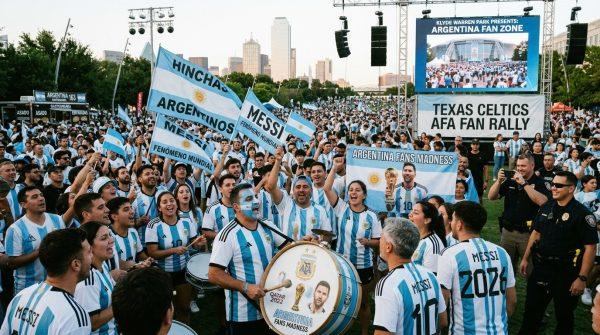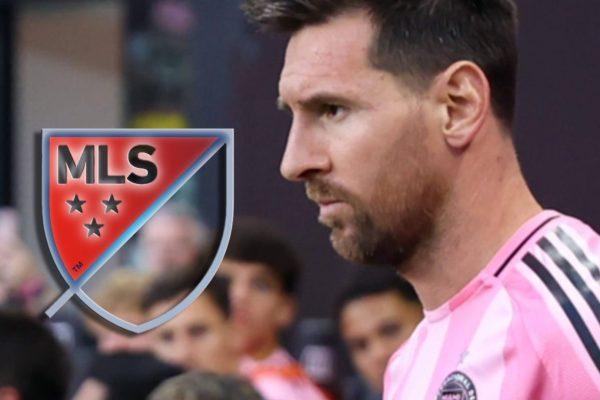
Major League Soccer is setting its sights on a major financial milestone: a broadcast deal worth between $400 and $500 million per year once its current partnership with Apple TV concludes. League executives believe the 2026 FIFA World Cup, co-hosted by the United States, Mexico, and Canada, will permanently elevate the competition's market value, allowing it to compete with top European leagues for North American media rights revenue.
The proposed valuation would effectively double the annual distribution that MLS clubs currently receive under the Apple TV arrangement. This ambitious target comes at a pivotal moment for the league, which is navigating a leadership transition after longtime commissioner Don Garber stepped down following 27 years at the helm. The commercial success of the recent World Cup cycle has validated the league's expansion strategy, confirming a robust domestic appetite for elite football content.
Incoming league leadership plans to leverage this expanded audience to negotiate premium rights fees with global media conglomerates. The strategy reflects a broader ambition to establish MLS among the most commercially viable football properties worldwide, a goal that has gained traction thanks to the arrival of Lionel Messi at Inter Miami in 2023.
Building beyond Messi's shadow
Industry observers note that this valuation expansion is designed to take effect after Messi's anticipated retirement. The Argentine forward, now in the final stages of his decorated career, has been a transformative figure for MLS, driving record attendance, jersey sales, and global attention. However, league officials are careful to frame the future rights value around core brand equity rather than individual star power. Internal market reports indicate that expanded stadium infrastructure and sustained digital viewership provide a solid foundation to justify the increased valuation.
Messi's impact has been undeniable, but the league is already planning for life after the eight-time Ballon d'Or winner. As Messi's Inter Miami return after World Cup rest shows, his presence remains a draw, but the league's long-term health depends on broader growth. The 2026 World Cup, which will feature matches across North America, is expected to further boost interest in soccer, particularly among Latino communities that have long been the backbone of the sport's fanbase in the region.
Securing a $500 million annual package would place MLS on par with the domestic broadcasting revenues earned by the English Premier League within the United States market. It would also surpass the domestic rights valuation of established European competitions like France's Ligue 1. This aggressive valuation strategy underscores the ambition of North American club owners to establish the league as a major player in the global football economy.
For Latino fans, this push is particularly significant. MLS has increasingly positioned itself as a league that reflects the diversity of the Americas, with players from Argentina, Mexico, Colombia, and beyond. The league's growth mirrors the cultural and economic influence of Latino communities across the US, who have long supported both local clubs and their home-country leagues. As Bad Bunny's record-breaking tour shows, Latino artists and athletes are driving major revenue streams, and MLS is betting that soccer can follow a similar trajectory.
The league's strategy also involves deepening ties with Latin American football. Partnerships with clubs like Club América and Liga MX have already boosted cross-border interest, and the 2026 World Cup will only accelerate that trend. For now, MLS is focused on securing a deal that reflects its new reality: a league that has moved beyond its niche origins and is ready to compete on the global stage.