For millions of Latinos living in the United States, identity is not a fixed label but a living negotiation. The question isn't whether to hold onto one's roots or to embrace a new home—it's how to do both with integrity. This daily balancing act defines the Latino experience in the U.S., where family loyalty, the Spanish language, and a deep sense of community coexist with the opportunities and pressures of American life.
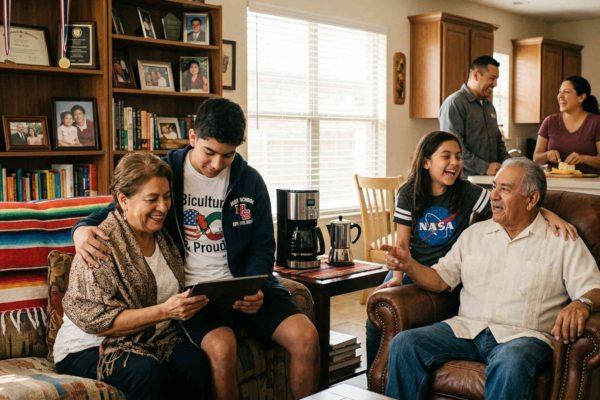
At the heart of this dynamic is the extended family—a concept that stretches beyond bloodlines to include neighbors, close friends, and even fellow migrants. In many Latino households, the line between relative and friend is intentionally blurred, creating a support network that prioritizes collective well-being over individual success. This approach, rooted in values like respeto and solidaridad, offers a counterpoint to the more individualistic currents of mainstream U.S. culture. Educators and sociologists note that this sense of shared responsibility fosters empathy and community-mindedness in children, qualities that benefit not just families but also schools and workplaces.
Language as an Emotional Anchor
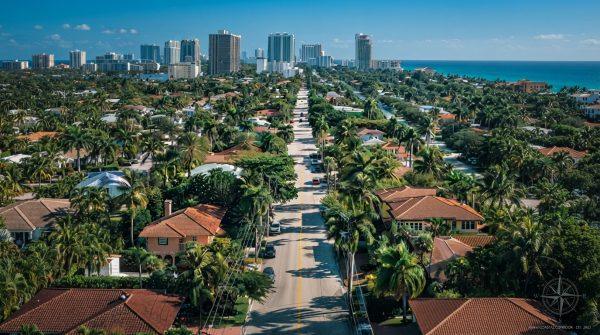
Spanish remains the emotional backbone of many Latino homes in cities like Los Angeles, Miami, and Chicago. Speaking Spanish at home is more than a practical tool—it's a way of preserving stories, jokes, and traditions that might otherwise fade. For parents, teaching their children Spanish is an act of cultural continuity, a way to ensure that the next generation can connect with grandparents in Guadalajara or cousins in San Salvador. Yet this linguistic loyalty exists alongside the reality that English dominates public life. The result is a generation of bilingual, bicultural young people who navigate both worlds with increasing ease.
This bilingualism is not just a personal asset; it's a professional one. In industries from entertainment to tech, Latinos are leveraging their dual perspectives to innovate and lead. Artists like Rosalía and Lola Índigo, who blend flamenco with pop and electronic beats, exemplify how cultural fusion can create something entirely new. Their success is a reminder that biculturalism is not a compromise but a creative force.
The Challenge of Integration Without Erasure
For many Latino parents, the central challenge is raising children who feel fully American without feeling that they must shed their heritage. Psychologists emphasize that successful integration happens when families maintain core values—like the importance of elders, physical affection, and communal meals—while also embracing the educational and professional opportunities the U.S. offers. This is not about choosing one identity over another but about building a bridge between them.
This bridge is visible in everyday life: in the Latin American dishes that have become staples in American kitchens, from tacos to arepas to ceviche. It's present in the way Latino families celebrate both Thanksgiving and Día de los Muertos, or how they watch the Super Bowl alongside a fútbol match from México. These acts of cultural blending are not signs of dilution but of adaptation.
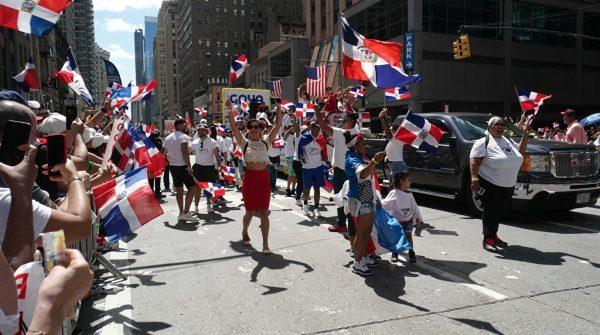
Community events also play a role. Pride celebrations from São Paulo to México City show how Latin American communities around the world are redefining inclusion and visibility. In the U.S., Latino Pride events in cities like New York and Houston similarly affirm that queer Latinos are an integral part of both communities.
The future of Latino identity in the U.S. is not about purity but about possibility. It's about being 100% Latino and 100% American at the same time—not as a contradiction, but as a source of strength. As the community continues to grow and shape the nation's culture, politics, and economy, that dual identity will remain its most powerful asset.