The latest round of UEFA Champions League fixtures delivered a sobering reminder of how far Mexican representation in Europe's top club competition has fallen. Santiago Giménez, Álvaro Fidalgo, and Obed Vargas—the three Mexican internationals currently on Champions League rosters—combined for a mere 11 minutes of action. That's not a typo: 11 minutes, total.
Giménez, the FC Porto striker who has been a consistent goal threat in domestic play, was the only one of the trio to actually step onto the pitch. He came on as a late substitute in Porto's away defeat to Real Betis, entering in the closing stages when the result was already beyond reach. Despite his reputation as a clinical finisher, he had almost no time to influence the game—a frustrating reality for a player who has shown he can deliver in big moments.
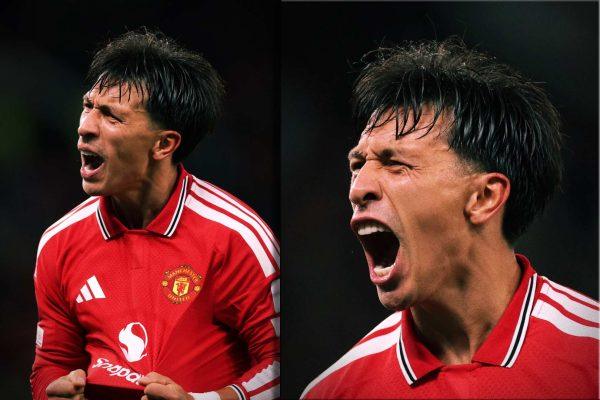
Álvaro Fidalgo, the Real Betis midfielder, watched his team's victory from the bench, never getting the call to enter the match. For a player who has been a creative force in La Liga, being an unused substitute in a Champions League fixture is a bitter pill. Meanwhile, Obed Vargas, the young Atlético de Madrid prospect, faced the harshest fate of all: he was left out of the matchday squad entirely for the clash against Manchester United. Diego Simeone's decision underscores the brutal competition for places in elite European squads.
A worrying trend for Mexican football
This isn't an isolated bad night. It's part of a broader pattern that has seen Mexican players struggle to secure consistent minutes at the highest level of European football. A decade ago, names like Rafael Márquez, Andrés Guardado, and Héctor Herrera were regular starters for their clubs in the Champions League. Today, the pipeline seems to have narrowed, and the minutes have dried up.
The numbers tell the story. In the 2026-27 group stage, Mexico's Champions League contingent is the smallest in years, and the playing time is even more alarming. As one social media post put it, "México cada vez tiene menor cantidad de representantes y además sus jugadores menor cantidad de minutos." The tweet, which circulated widely among fans, captured the frustration of a nation that once expected its stars to shine on Europe's biggest stage.
Part of the problem lies in the transfer market. Mexican players often move to European clubs at an age when they're expected to contribute immediately, but they face stiff competition from established internationals. Giménez, for example, has thrived at Porto, but even he finds himself behind other forwards in the pecking order for Champions League starts. Fidalgo, who has been a key player for Betis in domestic competitions, is still fighting for a role in Europe's premier tournament.
For Vargas, the situation is even more precarious. At 21, he's considered one of Mexico's brightest young talents, but breaking into Atlético's midfield under Simeone is a monumental challenge. The coach is known for favoring experienced, battle-tested players in big matches, leaving little room for untested youth.
What needs to change?
The decline in Mexican representation in the Champions League is a symptom of deeper issues in the country's football development system. For years, critics have pointed to the lack of a clear pathway for young Mexican players to move to Europe at the right age and adapt to the tactical demands of the game there. Unlike players from Brazil or Argentina, who often arrive in Europe as teenagers and spend years developing in lower leagues, Mexican prospects frequently stay in Liga MX until their early 20s, only to find themselves behind the curve when they finally make the leap.
There are signs of change. Some Mexican clubs are investing in youth academies that emphasize European-style tactics, and more players are making moves to European clubs at younger ages. But the results won't show overnight. As the Champions League continues to be the ultimate test for the world's best, Mexican football must ask itself hard questions about how to prepare its next generation for that stage.
For now, the 11 minutes are a wake-up call. They represent not just a poor night for three players, but a broader challenge for a footballing nation that refuses to accept a diminished role in the global game. The hope is that this low point will spark a conversation—and action—that leads to a brighter future for Mexican players in Europe.