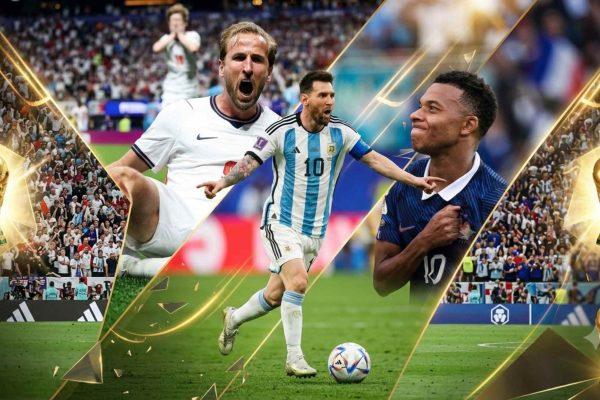
The 2026 FIFA World Cup has entered its decisive knockout phase, and beyond the tactical battles on the pitch, a deeper narrative is unfolding. Three of the sport's most iconic figures—Lionel Messi of Argentina, Kylian Mbappé of France, and England's Harry Kane—are locked in a silent competition that will shape how football history remembers this tournament. For Latino fans, especially those from Argentina and across the Americas, this is more than a sporting event; it's a cultural moment where legacy, pride, and identity collide.
Mbappé's Team-First Philosophy vs. Messi's Historical Benchmarks
Kylian Mbappé has made it clear that his priority is collective silverware, not individual records. In press conferences leading up to the knockout rounds, the French star emphasized that winning the World Cup as a team outweighs chasing Messi's career scoring totals. This mindset is crucial as Mbappé continues to climb the all-time World Cup scoring charts, where he trails the Argentine legend. Meanwhile, Messi, now in his late 30s, anchors the Albiceleste with a refined tactical role. His leadership on the field—whether setting up teammates or scoring when needed—remains the engine of Argentina's campaign. As Argentine cyclists cross the Americas to cheer Messi in his final World Cup, the emotional weight of his presence is palpable.
Messi's selflessness was on full display earlier in the tournament when he chose to start from the bench against Jordan, a move that highlighted his focus on team dynamics over personal glory. This decision, detailed in Messi's Selfless Call, underscores a maturity that contrasts with the younger Mbappé's relentless pursuit of trophies. Yet, both players understand that their legacies are intertwined with their nations' success.
Harry Kane's Dual Burden: National Duty and Club Speculation
On the other side of the bracket, England captain Harry Kane faces a unique pressure. As the Three Lions' primary offensive anchor, he must navigate high-stakes knockout matches while managing intense media speculation about his club future. Reports from European football outlets suggest that FC Barcelona has shown exploratory interest in the Bayern Munich striker, though Kane has publicly stated his preference to extend his contract with the Bavarian side after the World Cup. This dual burden—leading his country while fielding transfer rumors—adds a layer of complexity to his performance. For Latino audiences, Kane's situation resonates with the experiences of many Latin American players who balance national pride with club ambitions, a theme explored in Pelé and Maradona Once Doubted Messi's Leadership.
The intersection of national legacy and high-stakes club business is what sets this tournament apart. Unlike previous World Cups, where individual brilliance often overshadowed team dynamics, 2026 is defined by a mature understanding of what it means to be a global icon. Messi, Mbappé, and Kane are not just competing for a trophy; they are redefining the parameters of greatness in an era where football is more interconnected than ever.
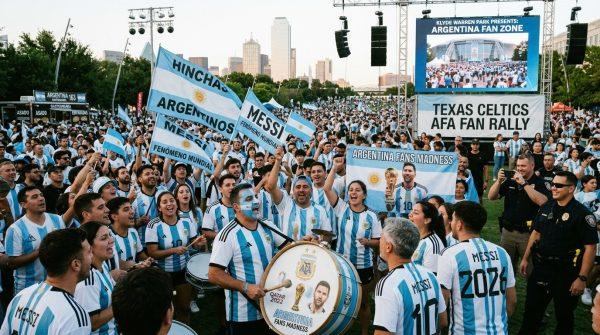
As the knockout rounds progress, every touch, goal, and assist will be scrutinized not just for its immediate impact, but for its place in history. For Latino fans, especially those from Argentina who have turned Dallas into a sea of sky blue and white, as reported in Messi's World Cup Mania, this is a moment to cherish. The clash of these three titans is not just a sporting spectacle; it's a narrative that will be told for generations.