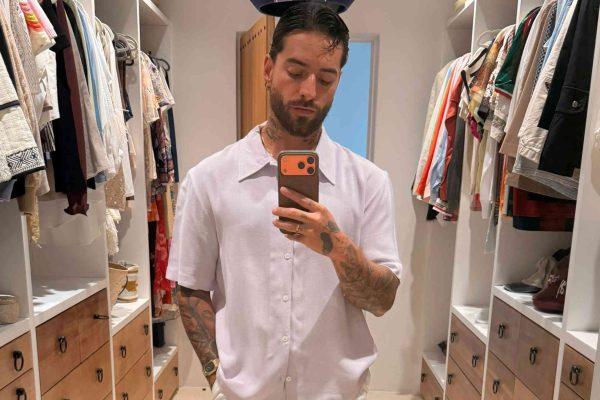
When Maluma's face and torso graced billboards for Calvin Klein, millions saw a picture of effortless perfection. But behind those sculpted abs, the Colombian star was fighting a battle few knew about. At Billboard Latin Music Week in Miami, during a candid conversation about mental health, Maluma revealed that the pressure to maintain a camera-ready body for global fashion brands took a serious toll on his relationship with food.
“I didn’t even realize what was happening,” he admitted, describing a period when he would survive on water, chicken, and lettuce for weeks before a shoot. The goal was simple: burn fat fast, look defined, deliver the image the brand expected. But the cost was emotional. What started as discipline turned into an eating disorder that went unnamed and untreated for too long.
Anxiety doesn’t disappear with fame
Maluma was quick to clarify that his struggles didn’t end when the cameras stopped rolling. Anxiety, he said, is still a daily companion. “I have to manage it every day,” he shared. “I can’t pretend everything is perfect just because I’m on stage or on a magazine cover.”
That honesty is rare in an industry that thrives on curated images. For years, the singer from Medellín felt trapped by the very success that brought him international recognition. The same discipline that helped him dominate reggaeton and pop charts also pushed him toward unhealthy extremes when it came to his body.
Now, Maluma says he’s done chasing harmful standards. Therapy and professional guidance have become non-negotiable parts of his routine. He’s learning to separate his worth from his waistline, and he wants his fans to understand that mental health is not a luxury—it’s a necessity.
Fatherhood changes the game
The turning point, he says, came with the birth of his daughter Paris. Becoming a father reframed everything. “She gave me a reason to take care of myself in a way I never did before,” Maluma explained. The desire to be present, healthy, and emotionally available for his daughter pushed him to seek the support he had avoided for years.
Fatherhood didn’t erase the pressure, but it shifted his priorities. Fashion campaigns and album releases still matter, but they no longer define his worth. He’s learning to enjoy the moments with Paris without the constant hum of anxiety in the background.
Maluma’s openness is part of a broader conversation in Latin music about the mental health toll of fame. He joins a growing list of artists who are speaking out, from collaborations that push creative boundaries to personal revelations that challenge the machismo often associated with the genre.
His message is clear: self-love isn’t about having a perfect body. It’s about honoring your mind, your emotions, and your limits. For a star who once measured his worth in ab definition, that’s a powerful lesson—and one he hopes will resonate with fans who may be struggling in silence.
Maluma’s story is a reminder that the glossy images we see are often just that—images. The real work happens behind the scenes, in the quiet moments of therapy, in the choice to eat a meal without guilt, in the decision to ask for help. And that’s a message worth celebrating, no matter what the billboards say.